

Warm Fluffy Turkish Flatbread brings together pillowy, golden rounds straight from a sizzling skillet, each bite yielding soft layers that cradle hummus, baba ganoush, or any favorite dip. These airy discs boast tender chewiness, crowned with delightful blisters and a whisper of olive oil aroma. Whether you’re gathering for dinner or craving a fresh homemade treat, this recipe will guide you step by step to achieve bakery-quality bazlama in your own kitchen—get ready to impress your friends and family with every warm, fluffy bite!
Key Ingredients
Before diving into the doughy goodness, let’s gather everything you need to whip up these Turkish treasures:
- 1 cup (240 ml) warm water (about 110°F / 43°C): Activates the yeast and forms the hydrating base for supple, soft dough.
- 2 teaspoons active dry yeast: Creates lift and airy pockets, ensuring each flatbread puffs beautifully.
- 1 teaspoon granulated sugar: Feeds the yeast for a lively first rise and enhances browning.
- 2½ cups (315 g) all-purpose flour, plus extra for dusting: Provides structure and tender chew, while extra flour prevents sticking during shaping.
- 1 teaspoon fine sea salt: Balances flavor and strengthens the gluten network for a perfect texture.
- 1 tablespoon olive oil or neutral vegetable oil, plus extra for greasing pan: Enriches the dough and keeps the skillet from sticking, producing golden crusts.
How To Make Warm Fluffy Turkish Flatbread
Crafting these flatbreads is a fun, hands-on process that brings centuries-old Turkish tradition into your kitchen. From blooming the yeast to pan-cooking each disc until golden-brown, you’ll transform simple pantry staples into soft, slightly chewy rounds. Follow these detailed steps closely, and don’t be afraid to feel the dough between your fingers—that’s part of the joy.
1. Activate the yeast: In a small bowl, combine the warm water, sugar, and yeast. Stir gently and let sit for 5 to 7 minutes until the surface is foamy and bubbly, indicating active yeast.
2. Prepare the dough base: In a large mixing bowl, whisk together the all-purpose flour and fine sea salt until evenly distributed.
3. Combine ingredients: Make a well in the center of the flour mixture. Pour in the yeast mixture and the tablespoon of oil. Using a wooden spoon or your hand, stir until a shaggy dough forms with no dry pockets.
4. Knead the dough: Transfer to a lightly floured surface. Knead for 8 to 10 minutes until the dough is smooth, elastic, and slightly tacky. Add tiny pinches of flour only if it’s overly sticky.
5. First rise: Lightly grease a clean bowl with oil. Place the dough ball inside, turning once to coat. Cover with a kitchen towel or plastic wrap and let rise in a warm, draft-free spot for 1 hour, or until doubled in size.
6. Divide and rest: Gently punch down the dough to release excess air. Transfer to the counter and divide into 6 equal portions (about 80 g each). Shape each into a tight ball, cover with a towel, and rest for 10 minutes.
7. Shape the flatbreads: On a floured surface, roll each ball into a circle about ¼ inch (6 mm) thick and 6–7 inches (15–18 cm) in diameter. Keep covered to prevent drying.
8. Preheat the skillet: Heat a heavy-bottomed skillet or cast-iron pan over medium heat for about 3 minutes, until hot but not smoking.
9. Cook the flatbreads: Lightly brush the skillet with oil. Place one rolled flatbread in the pan and cook for 1 to 2 minutes, until bubbles form and the underside shows golden spots. Flip and cook the other side for another 1 to 2 minutes, adjusting heat to avoid burning.
10. Keep warm: Transfer each cooked flatbread to a clean kitchen towel, stacking and wrapping to trap steam and maintain softness. Repeat with remaining dough.
11. Serve: Enjoy immediately while warm, or store in an airtight container for up to 2 days. To refresh, reheat briefly in a skillet or oven.
Serving Suggestions
These warm flatbreads shine in a variety of presentations—perfect for dips, wraps, or standalone snacks. Their soft, slightly chewy texture invites creativity at the table. Here are four delicious ways to enjoy them:
- Classic dip platter: Tear pieces and scoop up hummus, baba ganoush, or tzatziki for an irresistible appetizer spread.
- Stuffed flatbread sandwich: Fill with grilled vegetables, feta, and a drizzle of olive oil for a satisfying handheld meal.
- Olive oil drizzle: Brush warm rounds with extra virgin olive oil, sprinkle with sea salt and za’atar for a fragrant snack.
- Herb-infused topping: Garnish with chopped parsley or dill and a squeeze of lemon to brighten the flavors and add freshness.
Tips For Perfect Warm Fluffy Turkish Flatbread
Nailing these flatbreads comes down to a few simple tricks—embrace the process, and you’ll be rewarded with pillow-soft results every time. Keep these friendly tips in mind as you stir, knead, and cook:
- These flatbreads are traditionally called bazlama and are perfect for scooping up dips like hummus or baba ganoush.
- For extra flavor, mix chopped fresh herbs (dill, parsley, or mint) into the dough before the first rise to infuse each layer with green freshness.
- To store longer, freeze flatbreads stacked with parchment between layers; thaw on the counter and reheat in a hot skillet for best texture.
How To Store It
Keeping your flatbreads soft and flavorful is easy with the right storage method. Whether you plan to eat them within days or save them for weeks, here’s how to maintain that just-cooked quality:
- Room-temperature storage: Let breads cool completely, then place in an airtight container at room temperature for up to 2 days.
- Freezing: Stack flatbreads with parchment paper layers and seal in a freezer bag for up to 1 month. Thaw at room temperature before reheating.
- Skillet refresh: Warm each flatbread in a hot, dry skillet for 30–60 seconds per side to restore softness and heat.
- Oven revival: Wrap breads in foil and heat in a 350°F (180°C) oven for 5 minutes to enjoy them like just-cooked.
Frequently Asked Questions
Here are answers to the most common questions about making and enjoying these flatbreads:
- How do I know if the yeast is properly activated?
After combining the warm water (about 110°F/43°C), sugar, and yeast, let it rest for 5 to 7 minutes. The mixture should become foamy and bubbly on top. If you see no foam, your yeast may be expired or the water temperature is off—try fresh yeast and adjust the water temperature.
- What should I do if my dough is too sticky or too dry when kneading?
If the dough sticks excessively, sprinkle on small pinches of flour and knead until smooth and only slightly tacky. If it cracks or feels dry, add a teaspoon of warm water at a time until it comes together into a soft, elastic ball.
- Can I use instant yeast instead of active dry yeast?
Yes. Substitute instant yeast in equal measure (2 teaspoons) by mixing it directly into the flour. Skip the activation step and proceed with combining ingredients and kneading; the rise may be slightly quicker.
- How do I ensure the flatbreads stay soft and fluffy after cooking?
As each flatbread finishes cooking, transfer it to a clean kitchen towel, stack, and wrap them immediately. The trapped steam keeps them tender. Serve right away or store in an airtight container.
- What is the best way to store and reheat leftover flatbreads?
Store cooled flatbreads in an airtight container at room temperature for up to 2 days. For longer storage, freeze stacked flatbreads with parchment between each. Reheat briefly in a hot skillet or wrap in foil and warm in a 350°F (180°C) oven for 5 minutes.
- Can I add herbs or other flavors into the dough?
Yes. Before the first rise, gently knead in 1–2 tablespoons of finely chopped fresh herbs like dill, parsley, or mint. You can also mix in spices such as za’atar or garlic powder. Avoid overloading to keep the texture light.
- How do I adjust cooking temperature to avoid burning or undercooking?
Preheat your skillet over medium heat for about 3 minutes. If the bread browns too fast, lower the heat; if it bubbles too slowly and stays doughy inside, raise the heat slightly. Aim for golden-brown spots without dark char.
What Makes This Special
What sets this Warm Fluffy Turkish Flatbread apart is its delightful simplicity: a handful of pantry staples transforms into pillowy rounds that practically beg for dips, sandwiches, and herb-filled toppings. The skillet cooking creates those signature golden blisters and tender layers, while a hint of olive oil gives each bite a subtle, savory aroma. Feel free to print and save this article for your next gathering or cozy dinner. If you give these Turkish beauties a try, I’d love to hear your thoughts, questions, or any fun twists you added—drop a comment below!
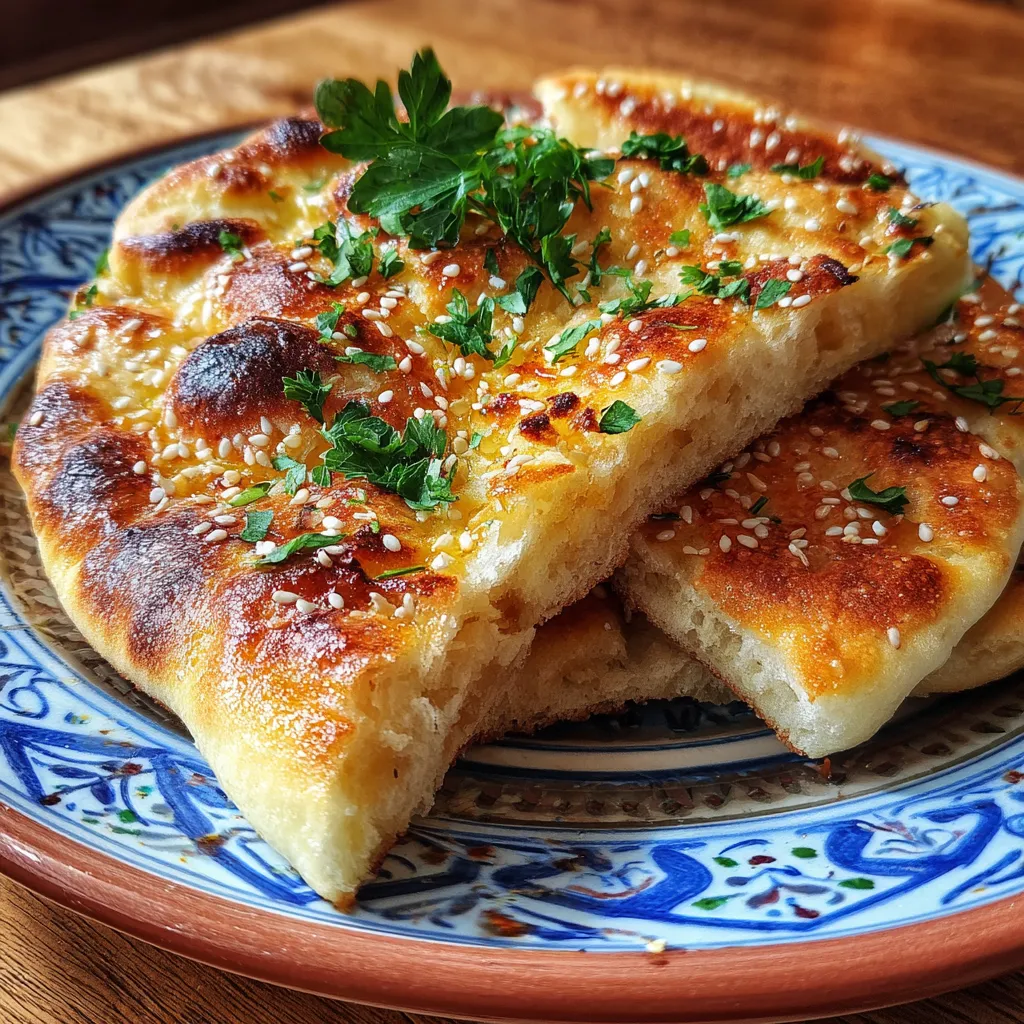

Warm Fluffy Turkish Flatbread
Description
These Turkish flatbreads are airy and soft, crowned with golden blisters and a hint of olive oil aroma. Cooked on a hot skillet, they puff into tender, slightly chewy discs ideal for tearing and dipping.
Ingredients
Instructions
-
Activate the yeast: In a small bowl combine the warm water, sugar, and yeast. Stir gently and let sit for 5 to 7 minutes until foamy on top.
-
Prepare the dough base: In a large mixing bowl whisk together the flour and salt.
-
Combine ingredients: Make a well in the center of the flour mixture. Pour in the yeast mixture and the tablespoon of oil. Using a wooden spoon or your hand, stir until a shaggy dough forms.
-
Knead the dough: Transfer the dough to a lightly floured surface. Knead for about 8 to 10 minutes until the dough is smooth, elastic, and slightly tacky. Add small pinches of flour if it’s too sticky, but do so sparingly.
-
First rise: Lightly grease a clean bowl with oil. Place the dough ball inside, turning once to coat. Cover the bowl with a clean kitchen towel or plastic wrap. Let rise in a warm draft-free spot for 1 hour, or until doubled in size.
-
Divide and rest: Punch down the dough gently to release air. Transfer to the counter and divide into 6 equal portions (about 80 g / 2.8 oz each). Shape each portion into a tight ball. Cover with the towel and rest for 10 minutes.
-
Shape the flatbreads: On a lightly floured surface, use a rolling pin to roll each ball into a circle about ¼ inch (6 mm) thick and roughly 6 to 7 inches (15–18 cm) in diameter. Keep them covered until ready to cook to prevent drying.
-
Preheat the skillet: Place a heavy-bottomed skillet or cast-iron pan over medium heat. Allow it to get hot, but not smoking—about 3 minutes.
-
Cook the flatbreads: Lightly brush the hot skillet with a little oil. Place one rolled flatbread into the pan. Cook for about 1 to 2 minutes, until you see bubbles form and the underside has golden brown spots. Flip and cook the other side for another 1 to 2 minutes. Adjust heat as needed so the bread cooks through without burning.
-
Keep warm: Transfer cooked flatbreads to a clean kitchen towel and wrap to keep warm and soft. Repeat with remaining dough, brushing the pan with oil only if necessary.
-
Serve: Serve immediately while warm, or store in an airtight container for up to 2 days. To refresh, reheat briefly in a skillet or oven.
Note
- These flatbreads are traditionally called bazlama and are perfect for scooping up dips like hummus or baba ganoush.
- For extra flavor you can mix chopped fresh herbs (dill, parsley, or mint) into the dough before the first rise.
- To store longer, freeze flatbreads stacked with parchment between layers. Thaw and reheat in a hot skillet.

