

Million Dollar Cream Cheese Pound Cake offers a buttery crumb laced with tangy cream cheese, baking into tender slices crowned by a golden crust. This classic dessert combines softened cream cheese and butter into a silky batter that yields moist, melt-in-your-mouth cake, with a sweet hint of vanilla in every bite. It’s a simple beginner-friendly recipe that guarantees a rich, tender texture perfect for afternoon tea or special gatherings. You’ll love how easy it is to whip up and how everyone will rave about its decadent flavor, so let’s dig into the details and bake something unforgettable!
Key Ingredients
Let’s take a look at the essential components that make this cake so rich and satisfying:
- 1 cup unsalted butter softened: Creamy fat that creates a tender crumb and adds buttery flavor.
- 8 ounce cream cheese softened: Provides silky richness and a subtle tang for moist slices.
- 3 cup granulated sugar: Sweetens the cake and helps achieve a light, fluffy texture when creamed.
- 6 large eggs: Adds structure and moisture; beating them in one at a time traps air for fluffiness.
- 1 teaspoon vanilla extract: Infuses the batter with sweet, classic vanilla flavor.
- 3 cup all-purpose flour: The main dry ingredient that gives the cake its structure and delicate crumb.
- 1/2 teaspoon salt: Balances sweetness and enhances all other flavors.
How To Make Million Dollar Cream Cheese Pound Cake
Getting this cake just right is all about gentle mixing and patient baking. You’ll start by preparing your pan and preheating the oven, then move on to creaming your rich fats and sugar. Next comes careful incorporation of eggs and dry ingredients, ensuring you don’t overwork the batter. Finally, you’ll pour everything into a bundt pan and bake until golden and perfectly set. Let’s break down each step:
1. Preheat your oven to 325°F. Generously grease a 10-inch bundt pan with butter or nonstick spray, then dust it with flour, tapping out any excess to ensure easy release.
2. In a large bowl, combine the softened butter and cream cheese. Using a stand mixer or hand mixer on medium speed, beat until the mixture is completely smooth and creamy, about 2–3 minutes.
3. Gradually add the sugar, continuing to beat on medium-high speed until the mixture turns light and fluffy, about 3–4 minutes.
4. Add the eggs, one at a time, beating well after each addition to ensure each egg is fully incorporated before adding the next.
5. Pour in the vanilla extract and mix on low until just incorporated, scraping down the bowl to blend evenly.
6. In a separate bowl, whisk together the flour and salt until evenly distributed, breaking up any lumps.
7. Gently fold the dry ingredients into the wet mixture using a spatula or large spoon, turning the bowl and lifting the batter until no streaks of flour remain.
8. Pour the batter into the prepared bundt pan, using a spatula to smooth the top and remove any air pockets.
9. Bake for about 1 hour and 20 minutes, or until a toothpick inserted in the center comes out clean and the top is golden brown.
10. Let the cake cool in the pan on a wire rack for 15 minutes, then carefully invert it onto the rack to cool completely before slicing.
Serving Suggestions
With its tender crumb and golden crust, this cake shines in many delightful presentations:
- Serve slices dusted with powdered sugar for a simple, elegant look and a hint of sweetness with every bite.
- Top with fresh berries (strawberries, raspberries, or blueberries) and a dollop of whipped cream to add brightness and color.
- Pair warm slices with a scoop of vanilla ice cream for a decadent dessert that contrasts hot and cold.
- Offer alongside a steaming cup of coffee or tea to balance the cake’s richness with a comforting, warm beverage.
Tips For Perfect Million Dollar Cream Cheese Pound Cake
Creating the ultimate cream cheese pound cake is all about attention to detail and gentle handling. Keep your ingredients at the right temperature, mix just enough, and give your cake the care it deserves before serving. Follow these friendly tips to make sure your bake turns out just like you hoped:
- Use room temperature ingredients for better texture.
- Avoid overmixing after adding flour to keep the cake tender.
- Store cake in an airtight container at room temperature for up to 3 days.
- Serve slices slightly warmed for a moist and rich taste.
How To Store It
Proper storage keeps your cake as fresh and flavorful as the moment it came out of the oven. Whether you’re saving leftovers or planning ahead, follow these methods to preserve moisture and taste:
- Room Temperature: Once fully cooled, wrap the cake tightly in plastic wrap or place it in an airtight container. Store on the counter for up to 3 days.
- Refrigeration: To extend freshness to about 5 days, cover the cake with plastic wrap or foil and place it in the fridge, ensuring it’s sealed to prevent drying.
- Freezing: Slice the cooled cake, wrap each piece in plastic wrap and then foil, and freeze for up to 2 months. Thaw overnight in the refrigerator before serving.
- Portion Wrapping: For quick snacks, individually wrap slices and store them in a resealable bag. Grab and go without affecting the rest of the cake.
Frequently Asked Questions
Here are answers to some common questions to help you bake and enjoy this cake:
- What is the importance of using room temperature butter, cream cheese, and eggs in this recipe?
Room temperature ingredients blend more smoothly, creating a uniform batter that traps air and yields a tender, fine crumb. Cold butter and cream cheese can lead to uneven mixing and pockets of fat, while cold eggs can cause the batter to seize. Allowing all ingredients to sit at room temperature for about 30 minutes ensures better emulsion and a uniformly rich texture.
- How can I tell when the pound cake is fully baked?
The most reliable test is inserting a toothpick or thin skewer into the center of the cake. If it comes out clean or with just a few moist crumbs clinging, the cake is done. Additionally, the cake will pull slightly away from the pan’s edges and the top will be golden brown. Avoid opening the oven too early, as this can cause the cake to sink.
- Can I use a different pan if I don’t have a 10-inch bundt pan?
Yes, you can use a 9×5-inch loaf pan or two 8-inch round cake pans, but you may need to adjust the baking time. A loaf pan typically requires about 1 hour to 1 hour and 10 minutes, while round pans may bake in about 50 to 60 minutes. Always check for doneness with a toothpick.
- What steps can I take to prevent the cake from sticking to the pan?
Thoroughly grease the pan with butter or nonstick spray, then dust it with flour, tapping out any excess. For extra security, you can use a baking spray that contains flour. Make sure to coat every nook of a bundt pan; using a pastry brush to reach crevices helps. Allowing the cake to cool for 15 minutes before inverting also reduces the risk of breakage.
- Why is it important not to overmix the batter after adding the flour?
Overmixing develops gluten in the flour, leading to a tougher, denser cake. To keep the pound cake tender, gently fold the dry ingredients into the wet mixture just until no streaks of flour remain. Use a spatula and turn the bowl, lifting and folding rather than stirring vigorously.
- How should I store the baked pound cake to maintain moisture and freshness?
Once completely cooled, wrap the cake tightly in plastic wrap or store it in an airtight container at room temperature. This seals in moisture and prevents the crust from becoming overly dry. Properly stored, the cake will stay fresh for up to three days.
- Can I freeze the cream cheese pound cake, and if so, how long will it keep?
Yes, you can freeze the cake for up to two months. Wrap individual slices or the whole cake tightly in plastic wrap and then in aluminum foil to prevent freezer burn. Thaw slices overnight in the refrigerator or at room temperature for a few hours before serving. You can warm them slightly in the oven or microwave for a moist, freshly baked feel.
- How can I serve or reheat slices to enhance the flavor and texture?
For a moist and rich taste, reheat slices in a 300°F oven for 5–7 minutes until just warmed through. Alternatively, microwave a single slice on low power for 20–30 seconds. Serving with a dusting of powdered sugar, fresh berries, or a dollop of whipped cream can brighten the flavors and make an elegant presentation.
What Makes This Special
This Million Dollar Cream Cheese Pound Cake truly lives up to its name: it’s buttery, velvety, and practically melts in your mouth, all crowned by a crisp golden crust you won’t be able to resist. With its simple, beginner-friendly steps and glorious vanilla aroma filling the kitchen, you’ll feel like a baking superstar. Don’t forget to print this article and save it for those moments when you need a show-stopping dessert. Drop a comment below if you try it or have questions—your feedback always makes my day!
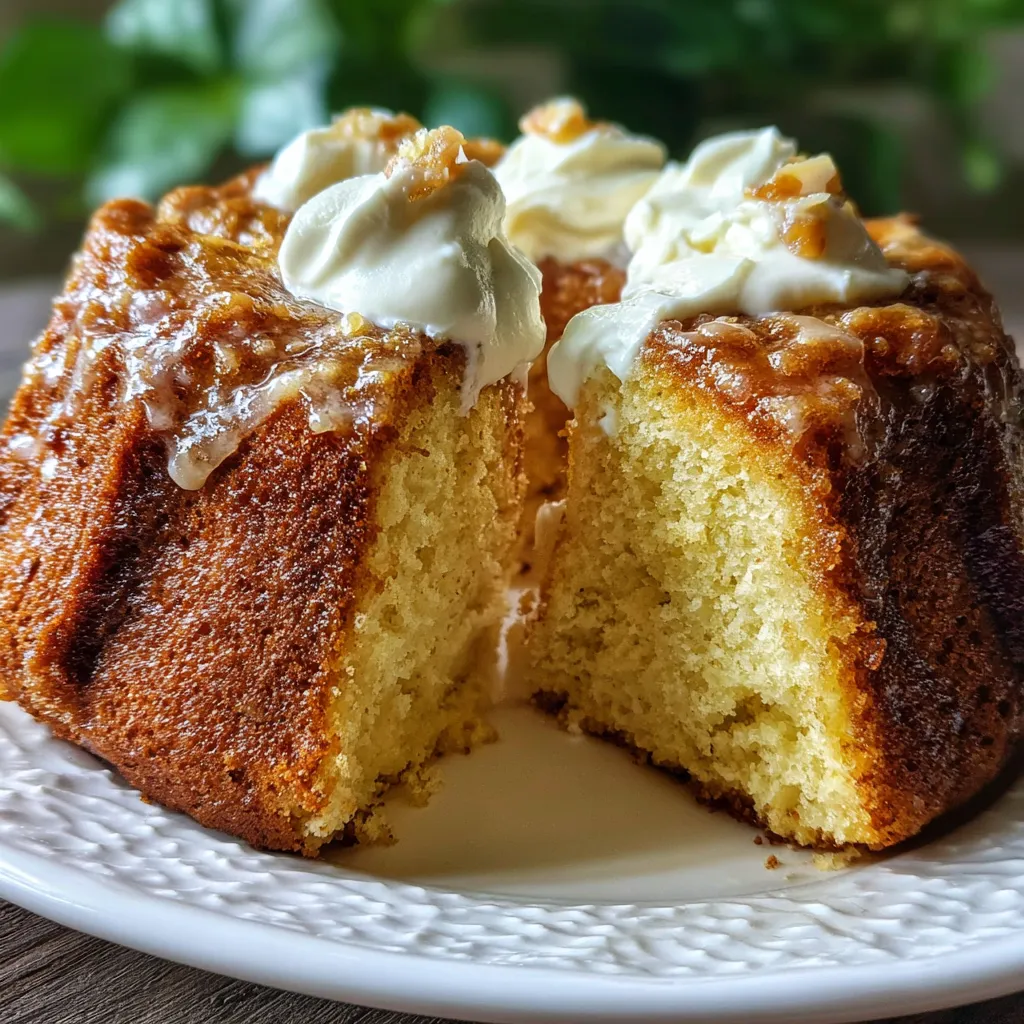

Million Dollar Cream Cheese Pound Cake
Description
This classic pound cake combines softened cream cheese and butter into a silky batter that bakes into moist, tender slices with a crisp golden crust and fills your kitchen with a sweet vanilla aroma.
Ingredients
Instructions
-
Preheat oven to 325°F and grease and flour a 10-inch bundt pan.
-
In a large bowl, beat butter and cream cheese until smooth and creamy.
-
Gradually add sugar and continue beating until light and fluffy.
-
Add eggs one at a time, beating well after each addition.
-
Mix in vanilla extract until incorporated.
-
In a separate bowl, whisk together flour and salt.
-
Fold dry ingredients into the wet mixture until just combined.
-
Pour batter into prepared pan and smooth the top.
-
Bake for about 1 hour and 20 minutes or until a toothpick inserted comes out clean.
-
Allow cake to cool in the pan for 15 minutes, then invert onto a wire rack to cool completely.
Note
- Use room temperature ingredients for better texture.
- Avoid overmixing after adding flour to keep the cake tender.
- Store cake in an airtight container at room temperature for up to 3 days.
- Serve slices slightly warmed for a moist and rich taste.

