

Experience the heart and soul of Italian comfort cooking with this Sunday Gravy recipe that’s been simmering for generations in family kitchens. This sauce isn’t just another pasta topping—it’s a ritual you’ll look forward to all week. With a prep time of just 30 minutes and a cooking time that stretches over 3 hours and 20 minutes, this Intermediate-level dish rewards your patience with fall-apart meats swimming in a deeply savory tomato base. You’ll find yourself garnishing each bowl with fresh basil leaves and a generous dusting of grated Parmesan cheese, while dinnertime chatter bubbles around you like the sauce in the pot. From the moment you begin browning Italian sausage and pork ribs to the final stir before plating, every step feels like a cozy Sunday tradition, complete with the warm glow of family stories and clinking glasses of Chianti.
Slow-simmered to perfection, this gravy marries sweet and spicy Italian sausage, tender pork and beef, aromatic onions and garlic, and a kiss of red wine to create layers of flavor that will have everyone scraping their plates. It’s the sort of meat sauce that doubles as an event—invite friends over, share a story, laugh until your sides hurt, and let the rich, comforting taste transport you to a rustic Italian kitchen. Experience true Italian tradition! This Sunday Gravy is a hearty, slow-cooked masterpiece that’s ideal for special occasions or a simple, love-filled Sunday dinner. And the best part? It reheats beautifully, so you can freeze extras for a weeknight feast that feels just as indulgent.
KEY INGREDIENTS IN ITALIAN SUNDAY GRAVY
Before diving into the cooking process, let’s take a look at the stars of this gravy. Each ingredient plays a unique role, building layers of complex taste and texture until you have a sauce that’s both robust and comforting.
- Olive oil
Acts as the flavorful base for sautéing, adding fruity richness and helping to caramelize the meats and aromatics.
- Italian sausage
Whether sweet or spicy, these links bring seasoning and a hint of fennel into the sauce, infusing every bite with savory depth.
- Pork ribs or pork shoulder
Rich in collagen, these cuts break down over slow cooking, releasing gelatin that gives the gravy a velvety body.
- Onion
Finely chopped and sautéed until soft, onions add natural sweetness and aromatic complexity to every spoonful.
- Garlic
Minced and added at just the right moment, garlic contributes a pungent warmth that’s essential for a traditional gravy.
- Tomato paste
Provides concentrated tomato flavor and aids in thickening the sauce for a luscious consistency.
- Red wine
Used to deglaze the pot, red wine lifts caramelized bits from the bottom, adding acidity and depth to balance the tomatoes.
- Crushed tomatoes
Create the backbone of the gravy with rich tomato flavor and a touch of acidity that brightens the overall profile.
- Tomato sauce
Blends smoothly with crushed tomatoes, ensuring a consistent texture throughout the sauce.
- Dried oregano
Offers an earthy, herbaceous note that complements the tomatoes and meats perfectly.
- Dried basil
Adds a sweet, aromatic layer that enhances the classic Italian flavor profile.
- Red pepper flakes
Optional but highly recommended for a gentle kick of heat that livens up the sauce.
- Salt and pepper
Fundamental seasonings used to taste, they bring out the nuances of each ingredient.
- Beef chuck
Cut into cubes, this cut becomes tender over time and enriches the gravy with hearty beefy flavors.
- Meatballs
Optional, but a delightful addition for those who love variety and want extra protein in each bite.
- Fresh basil leaves
Used as a garnish, they inject a pop of color and fresh herbal fragrance just before serving.
- Grated Parmesan cheese
Sprinkled on top, it melts slightly into the hot gravy, adding savory umami and a touch of nuttiness.
HOW TO MAKE ITALIAN SUNDAY GRAVY
Cooking this gravy is a joyful process that rewards your patience. You’ll engage in quick searing, aromatic sautéing, and gentle simmering that meld all the flavors together over several hours. Ready your large pot and settle in for a slow-cooked adventure in Italian tradition.
1. Heat the olive oil in a large pot over medium heat. Add the Italian sausage and pork ribs, allowing them to brown on all sides for about 8–10 minutes. This initial sear locks in juices and builds a foundation of flavor. Remove the meats and set them aside on a plate.
2. In the same pot, add the chopped onion and cook until it’s soft and translucent, about 5 minutes. Stir in the minced garlic and sauté for another minute until fragrant. These aromatics infuse the oil and act as the heart of your gravy.
3. Mix in the tomato paste and let it cook for 2 minutes, stirring constantly. This step deepens the paste’s flavor and helps build a rich, red base for the sauce.
4. Pour in the red wine to deglaze the pot. Use a spatula to scrape up any browned bits from the bottom as the wine simmers for about 3 minutes. This adds complexity and all those caramelized flavors back into the sauce.
5. Add the crushed tomatoes, tomato sauce, oregano, basil, and red pepper flakes. Stir everything together thoroughly and season with salt and pepper to taste.
6. Return the browned sausage and pork to the pot. Add the beef chuck cubes as well, stirring so each piece is coated in sauce. This is where the meats begin their long, tenderizing cook.
7. If you’re using meatballs, gently nestle them into the mixture. Make sure they’re well incorporated so they absorb the sauce’s flavors.
8. Bring the sauce to a gentle simmer. Reduce the heat to low and let it simmer for 2–3 hours, stirring occasionally. Over time, the sauce will thicken and the meats will become melt-in-your-mouth tender.
9. Once the sauce is ready, taste and adjust the seasoning if necessary. A final pinch of salt or crack of pepper can make all the difference.
10. Garnish with fresh basil leaves and serve with grated Parmesan cheese over your favorite pasta. Enjoy this hearty delight with a side of crusty bread and a glass of red wine.
SERVING SUGGESTIONS FOR ITALIAN SUNDAY GRAVY
Bringing this Sunday Gravy to the table is an event in itself. Whether you’re hosting a cozy family dinner or a laid-back gathering of friends, these serving suggestions will help you elevate the experience and showcase the full depth of this slow-cooked masterpiece. Presentation is key—let the vibrant red sauce and tender meats shine against a neutral backdrop, and don’t be shy with garnishes that add color, texture, and fresh flavor.
- Serve over al dente pasta such as rigatoni or pappardelle, tossing gently so each strand is coated in the rich gravy. The ridges of rigatoni hold pockets of sauce and meat, ensuring every bite is packed with flavor.
- Present with crusty Italian bread on the side. Tear off pieces for dipping, letting the bread absorb the velvety sauce. A basket lined with a red-checked cloth will add that classic trattoria charm.
- Pair each serving with a glass of Chianti Classico or another bold red wine. The wine’s tannins cut through the richness of the gravy, creating a harmonious balance that’s pure culinary bliss.
- Accompany the meal with a simple arugula salad dressed in lemon juice and extra virgin olive oil. The peppery greens provide a bright, refreshing contrast to the hearty sauce.
HOW TO STORE ITALIAN SUNDAY GRAVY
Making a big batch of Sunday Gravy means you’ll have delicious leftovers that taste even better the next day. Proper storage is crucial to maintain freshness, texture, and that slow-simmered depth of flavor. Whether you plan to refrigerate for a few days or freeze portions for later, these tips will ensure your gravy stays just as delightful as the moment it came off the stove.
- Refrigerate in an airtight container
Allow the gravy to cool for about 15 minutes, then transfer it to a tightly sealed container. Store in the fridge for up to 4 days, reheating gently on the stovetop to preserve tenderness.
- Freeze in portioned bags
Divide the cooled gravy into meal-sized portions, place in freezer-safe bags, and lay them flat for efficient stacking. Label with the date and freeze for up to 3 months.
- Thaw properly
Move a frozen bag to the fridge the night before you plan to use it. This gradual thaw maintains texture and prevents separation. Warm slowly on low heat when ready to serve.
- Reheat gently
Whether from fridge or freezer, reheat on low to medium heat, stirring occasionally. A splash of water or extra tomato sauce can help if the gravy thickens too much.
CONCLUSION
It’s been a joy walking you through every step of crafting this Italian Sunday Gravy, from selecting the perfect cuts of meat to the art of slow-simmering for unparalleled depth. We covered everything: ingredients, detailed instructions, savvy serving suggestions, and foolproof storage methods. Now that you know how to bring together sweet or spicy Italian sausage, pork ribs, beef chuck, ripe tomatoes, and aromatic herbs into a single, comforting pot, you’ve essentially unlocked the secret to a dish that’s more than just dinner—it’s a tradition. With a total time commitment of around 3 hours and 50 minutes (including rest time), this recipe is perfect for an Intermediate home cook who craves classic Italian flavors and the satisfaction that comes from feeding loved ones a meal made with care.
Feel free to print this article and keep it in your recipe binder, or save it digitally for easy reference whenever a craving for hearty meat sauce strikes. You might come back to the FAQ below if questions pop up, but don’t hesitate to dive right in and start simmering. If you give this recipe a try or tweak it with your own twist—maybe swapping in braciole or adding a handful of chopped chicken—drop a comment and let me know how it goes. Your feedback, stories from the kitchen, or any questions about techniques are always welcome. Buon appetito, amici!
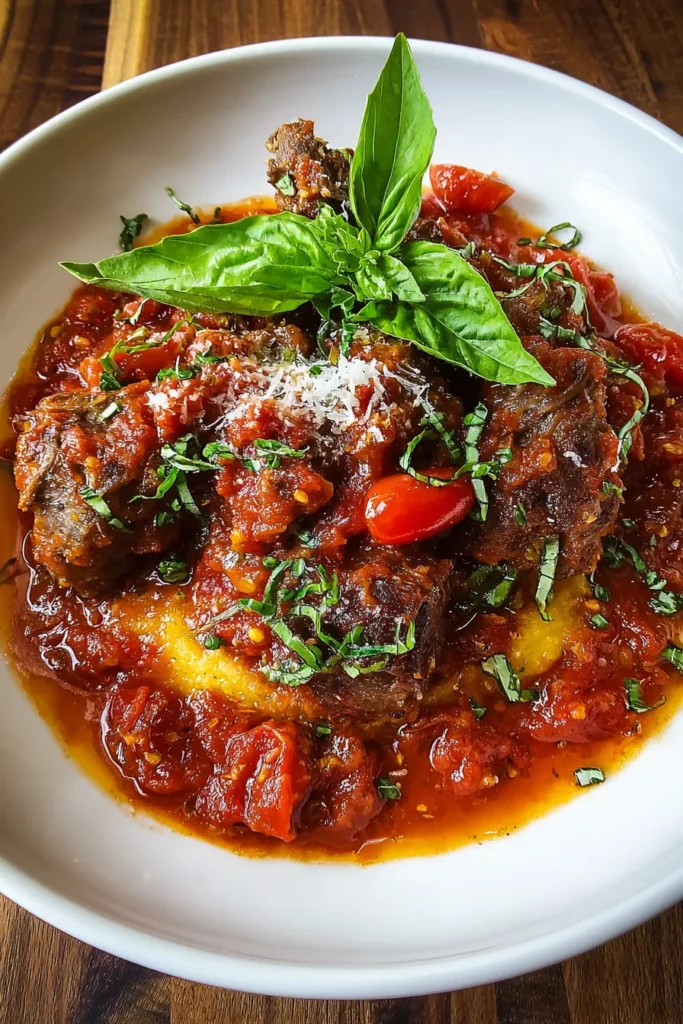

Italian Sunday Gravy
Description
Imagine a pot brimming with tender, fall-apart meats and a deep, savory tomato sauce, kissed with red wine and herbs. This is Italian Sunday Gravy at its best.
Ingredients
Instructions
-
Heat the olive oil in a large pot over medium heat. Add the Italian sausage and pork ribs. Brown them on all sides for about 8-10 minutes. Remove the meats and set them aside.
-
In the same pot, add the chopped onion and cook until soft, about 5 minutes. Stir in the minced garlic and cook for another minute.
-
Mix in the tomato paste and cook for 2 minutes, stirring constantly.
-
Pour in the red wine to deglaze the pot. Scrape any browned bits from the bottom of the pot while the wine simmers for about 3 minutes.
-
Add the crushed tomatoes, tomato sauce, oregano, basil, and red pepper flakes. Stir well and season with salt and pepper.
-
Return the browned sausage and pork to the pot. Add the beef chuck cubes into the sauce as well. Stir everything together.
-
If using, gently add the meatballs to the mixture. Make sure they're well incorporated into the sauce.
-
Bring the sauce to a gentle simmer. Lower the heat and let it simmer for 2-3 hours, stirring occasionally. The sauce should thicken and the meats should become tender.
-
Once the sauce is ready, taste and adjust seasoning if necessary.
-
Garnish with fresh basil leaves and serve with grated Parmesan cheese over pasta or as desired.
Note
- Italian Sunday Gravy is traditionally enjoyed as a hearty meal, often served over pasta.
- This dish is great for making ahead of time and freezing for future meals.
- Feel free to add other meats such as braciole or chicken for additional flavors.
- The longer the sauce simmers, the richer the flavors become, so patience is key.
- This sauce pairs beautifully with a side of crusty Italian bread.

