

Heart Healthy Rosemary Chicken Dijon is a delightful dinner that combines crisp-seared chicken breasts bathed in a tangy Dijon and rosemary sauce, delivering bright, savory flavors in every heart-healthy, protein-packed bite. Golden-brown chicken breasts glisten as a fragrant blend of Dijon mustard, garlic, and rosemary simmers into a silky, tangy sauce, bringing zesty notes balanced by hints of lemon and herb.
Key Ingredients
Before we dive into cooking, let’s gather the heart-smart staples that make this dish shine:
- 1 pound boneless skinless chicken breasts: Lean protein that cooks quickly and soaks up the savory Dijon-rosemary flavors.
- 2 teaspoons olive oil: Provides healthy monounsaturated fats and helps achieve a golden sear.
- 1 tablespoon whole grain Dijon mustard: Adds tangy depth with less sodium than traditional varieties.
- 1 teaspoon fresh rosemary, chopped: Infuses an earthy, aromatic punch throughout the sauce.
- 1 clove garlic, minced: Brings pungent warmth and enhances overall savoriness.
- 1/4 teaspoon black pepper: Adds a mild kick and balances the mustard’s tang.
- 1/4 teaspoon salt: Elevates all the flavors without overwhelming heart-healthy goals.
- 1/2 cup low sodium chicken broth: Creates a silky base, locking in moisture and flavor.
- 1 teaspoon lemon juice: Brightens the sauce with a fresh, citrusy lift.
- 1 sprig fresh rosemary: Garnishes each plate with a flourish of herbal aroma.
How To Make Heart Healthy Rosemary Chicken Dijon
This recipe is straightforward yet impressive, blending simple techniques like searing and pan-sautéing with a quick oven finish. You’ll crisp up the chicken, build a flavorful rosemary-garlic pan sauce, then let the oven do the final work, resulting in juicy, tender chicken infused with tangy, herbaceous notes. Follow these steps to transform basic ingredients into a heart-smart dinner everybody will rave about.
1. Preheat your oven to 375°F to ensure even baking.
2. Pat chicken dry, rub with olive oil, and season generously with salt and pepper on both sides.
3. Heat an oven-safe skillet over medium-high heat. Sear chicken for 2–3 minutes per side until each piece is golden brown.
4. Remove the chicken from the skillet and set aside on a plate to rest briefly.
5. Reduce heat to medium, then add minced garlic and chopped rosemary. Sauté for 30 seconds until the garlic is fragrant—watch closely to avoid burning.
6. Stir in Dijon mustard, low-sodium chicken broth, and lemon juice, scraping up any browned bits from the pan to build a rich sauce.
7. Return the chicken to the skillet, spoon the sauce over each piece to coat evenly.
8. Transfer the skillet to the preheated oven and bake for 15–20 minutes, or until an instant-read thermometer reads 165°F at the thickest part.
9. Remove from oven and let rest for 5 minutes—this final pause locks in all those delicious juices before serving.
Serving Suggestions
This heart-healthy chicken shines on its own but really dazzles when paired thoughtfully. A balanced plate creates texture, color, and extra nutrients to support your cardiovascular wellness. Here are four ways to serve it up like a pro:
- Steamed broccoli florets tossed with a squeeze of lemon for a bright, crisp contrast to the tangy sauce.
- Quinoa pilaf enriched with chopped parsley and toasted almonds to add earthy, nutty crunch.
- Roasted asparagus spears drizzled with olive oil and sprinkled with sea salt for simple, elegant greens.
- Whole grain couscous mixed with diced sun-dried tomatoes to echo the Dijon’s tang and boost fiber.
Tips For Perfect Heart Healthy Rosemary Chicken Dijon
Get ready to master this recipe with a few insider secrets and small swaps that make a big difference. These tips will help you maximize flavor, maintain juicy texture, and keep things as heart-smart as possible. With these practical pointers, you’ll feel confident creating a balanced and delicious meal every single time.
- Use skinless chicken breasts for lean protein that supports heart health.
- Whole grain Dijon mustard adds robust flavor with less sodium than traditional varieties.
- Olive oil provides healthy monounsaturated fats beneficial for cardiovascular wellness.
- Pair with steamed vegetables or a whole grain side for a balanced, heart-smart meal.
How To Store It
Leftover rosemary Dijon chicken stays fresh when stored correctly, so you can enjoy this nutritious dish later in the week. Proper chilling and reheating preserve moisture and flavor—just follow these simple methods:
- Refrigerator: Place cooled chicken and sauce in an airtight container and refrigerate for up to 3 days.
- Freezer: Freeze portioned chicken in a sealed, freezer-safe bag for up to 2 months; thaw overnight in the fridge before reheating.
- Reheating: Warm gently in a skillet over low heat, adding a splash of low-sodium broth if needed to loosen the sauce.
- Microwave: Heat in 30-second intervals, stirring in between to ensure even temperature without drying out.
Frequently Asked Questions
Here are quick answers to the most common questions about making this heart-healthy favorite:
- How long does it take to prepare and cook this recipe?
It takes about 5 minutes to prep—patting the chicken dry, chopping rosemary, mincing garlic, and measuring ingredients—and about 20–25 minutes to cook, including searing on the stovetop and baking in the oven, for a total time of roughly 30 minutes.
- How can I tell when the chicken is cooked through?
The chicken is done when its internal temperature reaches 165°F (74°C) at the thickest part. You can check with an instant-read thermometer. Visually, the juices should run clear and the meat should no longer be pink.
- Can I substitute dried rosemary for fresh, and if so, how much should I use?
Yes. Use one-third of the amount called for in fresh herbs. For this recipe, substitute 1/3 teaspoon of dried rosemary for the 1 teaspoon of fresh chopped rosemary, and omit the sprig for garnish or use a small pinch of dried rosemary instead.
- How can I ensure the chicken remains moist and juicy?
Patting the chicken dry before searing helps achieve a golden crust but prevents steaming. Sear over medium-high heat for only 2–3 minutes per side, then finish cooking in the sauce and broth, which locks in moisture. Letting the chicken rest for 5 minutes after baking also redistributes juices.
- What sides pair well with this dish for a balanced, heart-smart meal?
Steamed or roasted vegetables such as broccoli, asparagus, or carrots add fiber and nutrients. A whole grain side like quinoa, brown rice, or farro complements the Dijon sauce and provides complex carbohydrates and additional heart-healthy benefits.
- How should I store and reheat leftovers?
Store leftover chicken and sauce in an airtight container in the refrigerator for up to 3 days. To reheat, microwave gently in 30-second intervals or warm in a skillet over low heat until heated through, adding a splash of low-sodium chicken broth if the sauce has thickened too much.
- Can I use chicken thighs or other cuts instead of breasts?
Yes, boneless skinless chicken thighs can be used. Because thighs are slightly fattier, reduce olive oil to 1 teaspoon if desired. Follow the same searing and baking times, but check for an internal temperature of 165°F, which may take a couple of minutes longer.
What Makes This Special
This Heart Healthy Rosemary Chicken Dijon is a winner because it brings bold, tangy flavor without sacrificing your wellness goals. The perfect sear, that silky Dijon-rosemary sauce, and a hint of lemon combine for a dish that tastes gourmet but is shockingly simple. Print this article, tuck it into your recipe binder, and get ready to wow your taste buds (and your heart) again and again. Let me know your thoughts or any twists you try—I’m all ears for your cooking adventures!
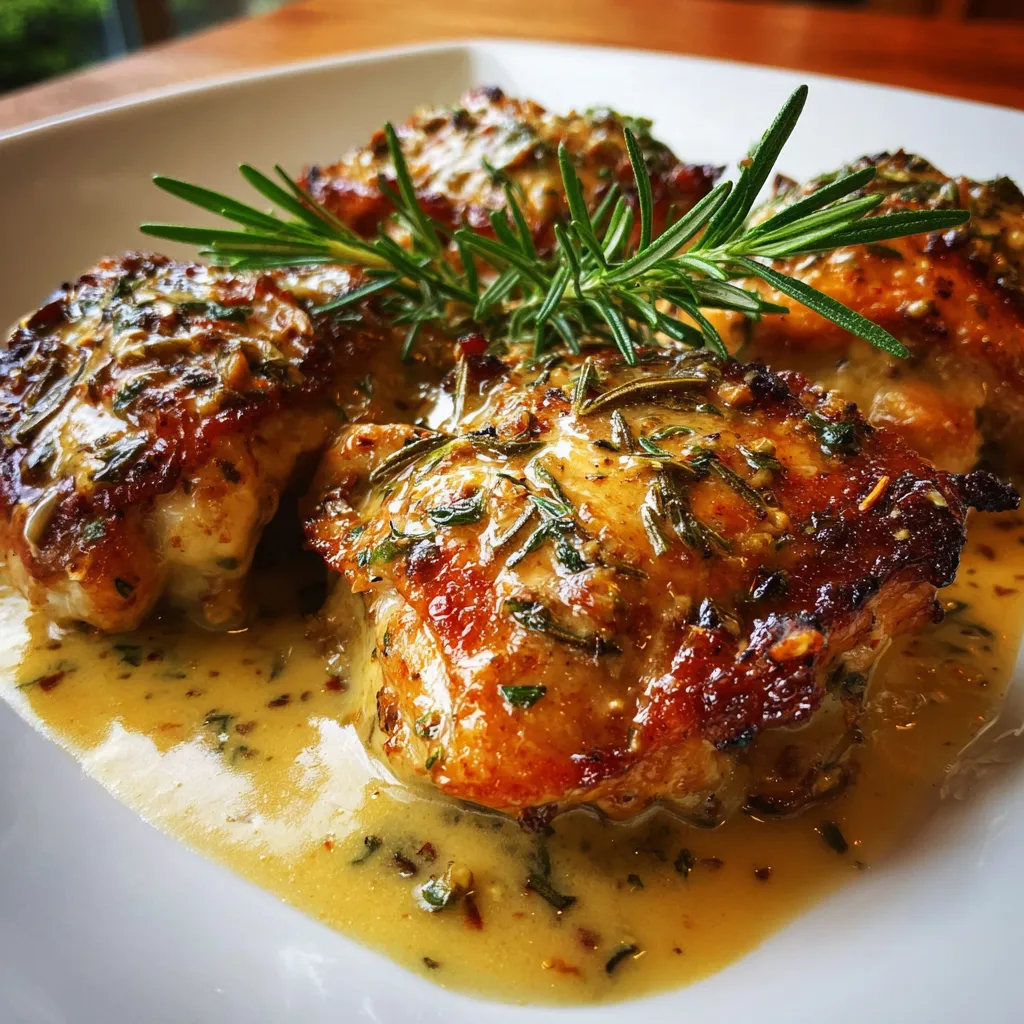

Heart Healthy Rosemary Chicken Dijon
Description
Golden-brown chicken breasts glisten as a fragrant blend of Dijon mustard, garlic, and rosemary simmers into a silky, tangy sauce. Each juicy slice promises zesty notes balanced by hints of lemon and herb.
Ingredients
Instructions
-
Preheat oven to 375°F.
-
Pat chicken dry, rub with olive oil, and season with salt and pepper.
-
Heat an oven-safe skillet over medium-high heat and sear chicken 2–3 minutes per side until golden brown.
-
Remove chicken from skillet and set aside.
-
Reduce heat to medium, add garlic and chopped rosemary, and sauté for 30 seconds until fragrant.
-
Stir in Dijon mustard, chicken broth, and lemon juice, scraping up any browned bits from the skillet.
-
Return chicken to skillet and spoon the sauce over each piece.
-
Transfer the skillet to the oven and bake for 15–20 minutes or until the internal temperature reaches 165°F.
-
Remove the skillet from the oven and let the chicken rest for 5 minutes before serving.
Note
- Use skinless chicken breasts for lean protein that supports heart health.
- Whole grain Dijon mustard adds robust flavor with less sodium than traditional varieties.
- Olive oil provides healthy monounsaturated fats beneficial for cardiovascular wellness.
- Pair with steamed vegetables or a whole grain side for a balanced, heart-smart meal.

