

There’s something incredibly satisfying about rolling and shaping small pillows of dough that transform humble ingredients into a dish that comforts the soul. German Potato Dumplings, or Kartoffelklöße, combine the rustic charm of starchy russet potatoes with a whisper of nutmeg and the soft binding power of flour, potato starch, and a single egg. This recipe strikes the perfect balance between fluffy interior and tender bite, making it a show-stopping side dish for a family dinner or a casual Sunday gathering. Ready in about an hour—including 30 minutes for preparation, 30 minutes for cooking, and a brief 10-minute rest—these dumplings deliver 320 calories each (based on 4 servings) and a generous portion of warm, comforting satisfaction.
When I first learned to make these dumplings in my grandmother’s kitchen, the simplicity of ingredients was a revelation: no fancy gadgets, just a pot of salted water, a sturdy potato ricer, and hands eager to shape each dumpling. As the potatoes boil and the nutmeg infuses into the dough, you’ll find that this traditional recipe embodies everything we love about German cuisine—reliability, heartiness, and a touch of nostalgia. Whether you’re planning a cozy winter feast with roasted pork and rich gravy or a lighter summer lunch with sautéed veggies, these potato dumplings will earn a spot on your table and in your heart.
KEY INGREDIENTS IN GERMAN POTATO DUMPLINGS
Every memorable dish begins with quality ingredients. For these German Potato Dumplings, each component plays a starring role in delivering that classic texture and flavor we all crave. You’ll want to gather everything before you start cooking to ensure a smooth, joyful kitchen adventure.
- Starchy potatoes
These are the heart of the dumplings—varieties like russet break down into a super-smooth mash that yields a light, fluffy interior. Their natural starch content is crucial for binding.
- All-purpose flour
Flour adds structure and helps the dough hold together during the boil. It’s the foundation that prevents dumplings from falling apart.
- Potato starch
A secret weapon that reinforces the potato’s own starchiness, creating a tender crumb without becoming gummy. It also adds a bit of extra elasticity.
- Egg
A single beaten egg brings richness and acts as a binder, ensuring your dumplings maintain their shape and silky texture.
- Salt
It seasons both the boiling water and the dough, amplifying the natural flavors of potato and nutmeg.
- Ground nutmeg
Just a pinch imbues the dumplings with a subtle warmth and aromatic depth, balancing the mildness of potato.
- Breadcrumbs or croutons (optional)
These add a gentle crunch and textural contrast in some regional variations, making each bite even more exciting.
- Salted water for boiling
Cooking dumplings in well-seasoned water ensures they absorb the right amount of seasoning from the inside out.
HOW TO MAKE GERMAN POTATO DUMPLINGS
Transforming simple ingredients into fluffy dumplings feels like kitchen magic, especially when you see those little pillows float up in the pot. Follow these detailed steps to achieve perfect dumplings every time:
1. Boil the potatoes with their skins in a large pot of salted water until they’re fork-tender, about 25–30 minutes. Keeping the skins on prevents the potatoes from absorbing too much water, preserving their starchy interior.
2. Drain and cool slightly. While still warm, carefully peel off the skins and transfer the potatoes through a potato ricer or mash them until completely smooth—no lumps allowed!
3. Spread and cool the mashed potatoes on a clean countertop or in a mixing bowl. Let them rest until they reach room temperature; this cooling step helps the flour and starch bind properly.
4. Combine ingredients by mixing the cooled potatoes with the flour, potato starch, beaten egg, salt, and nutmeg. Use gentle kneading motions to form a cohesive, pliable dough without overworking it.
5. Add texture if you like: gently fold in a handful of breadcrumbs or small croutons to introduce delightful pockets of crunch.
6. Portion and shape the dough into equal pieces, rolling each into a ball roughly 2 inches in diameter for uniform cooking.
7. Bring a pot of salted water to a gentle boil, then carefully drop the dumplings in, spacing them out so they won’t stick together.
8. Cook until they float to the surface, then let them simmer for an additional 5–7 minutes to ensure they’re cooked through.
9. Lift and drain the dumplings with a slotted spoon, giving them a moment to shed excess water.
10. Serve immediately alongside your favorite meat with gravy or a medley of sautéed vegetables for a plate that feels like a warm hug.
SERVING SUGGESTIONS FOR GERMAN POTATO DUMPLINGS
A fresh batch of German Potato Dumplings begs for thoughtful pairings and colorful plating. When you’ve poured your heart into crafting those soft, tender bites, celebrate the moment with serving choices that highlight their comforting nature and showcase your culinary creativity.
- With rich gravy and roasted pork
Nestle dumplings next to thinly sliced pork roast and lavish them with a velvety brown gravy infused with pan drippings. The dumplings will soak up every savory drop, making each mouthful decadent.
- Topped with sautéed mushrooms and herbs
Create a lighter vegetarian option by spooning a garlic-butter sauté of mixed mushrooms over the dumplings. Finish with a sprinkle of fresh parsley or chives for an earthy, aromatic twist.
- Alongside tangy red cabbage
The bright acidity of braised red cabbage balances the richness of potato dumplings. Serve both on one platter, drizzling a little vinegar-reduced cooking liquid over the dumplings for a flavor pop.
- With seasonal roasted vegetables and browned butter
Roast carrots, Brussels sprouts, or squash until caramelized, then toss with melted browned butter and a dash of nutmeg. Scoop vegetables around the dumplings for a hearty seasonal feast.
HOW TO STORE GERMAN POTATO DUMPLINGS
Storing potato dumplings properly ensures you can enjoy their comforting goodness well after cooking day. Whether you’re planning ahead for busy weeknight dinners or simply want to save leftovers without sacrificing texture, here are reliable methods to keep your dumplings tasting fresh.
- Refrigeration
Let cooked dumplings cool completely, then arrange them in an airtight container with a light mist of water. Store in the refrigerator for up to 3 days. Gently reheat by steaming or briefly simmering in salted water.
- Freezing
Place cooled dumplings on a parchment-lined tray, freeze until firm, then transfer to a freezer-safe bag. They’ll keep for up to 2 months. When ready, drop them directly into boiling water—no thawing needed—to preserve their texture.
- Vacuum sealing
For maximum freshness, vacuum-seal cooled dumplings in individual portions before freezing. This method prevents freezer burn and protects the delicate potato starch network, ensuring dumplings remain pillowy after reheating.
- Batch preparation
If you love having homemade comfort food on demand, prepare a double batch and freeze half raw. Shape them, freeze on a tray, then bag. You’ll skip the shaping step next time and enjoy fresh-cooked dumplings in minutes.
CONCLUSION
From the first forkful of these fluffy German Potato Dumplings, you’re greeted by a gentle potato embrace seasoned with just the right hint of nutmeg. It’s a dish that marries simple pantry staples—potatoes, flour, potato starch, and a single egg—into something that feels truly special. Whether you’re chasing cozy comfort on a cool evening or celebrating a festive meal with family, this traditional recipe brings warmth and satisfaction to any table. Remember that these dumplings pair beautifully with gravies, roasted meats, vibrant vegetables, or even a fresh mushroom ragout. Feel free to customize by adding breadcrumbs for texture or experimenting with herb-infused sauces. Now that you’ve got everything from prep and cooking times to calorie counts and serving suggestions, you can easily print this article and tuck it into your favorite recipe binder for future use. Don’t forget you can also find a FAQ below delving into common tips and tricks for perfect dumplings.
I hope you give these German Potato Dumplings a whirl in your kitchen and share your experiences! Did you try the browned butter twist or go classic with red cabbage? Leave your comments, questions, or feedback below—whether you’re curious about dough texture, boiling technique, or just want to swap stories of your family gatherings, I’m here to help. Enjoy the journey of turning simple ingredients into a heartwarming dish that feels like a hug from the inside out. Happy cooking!
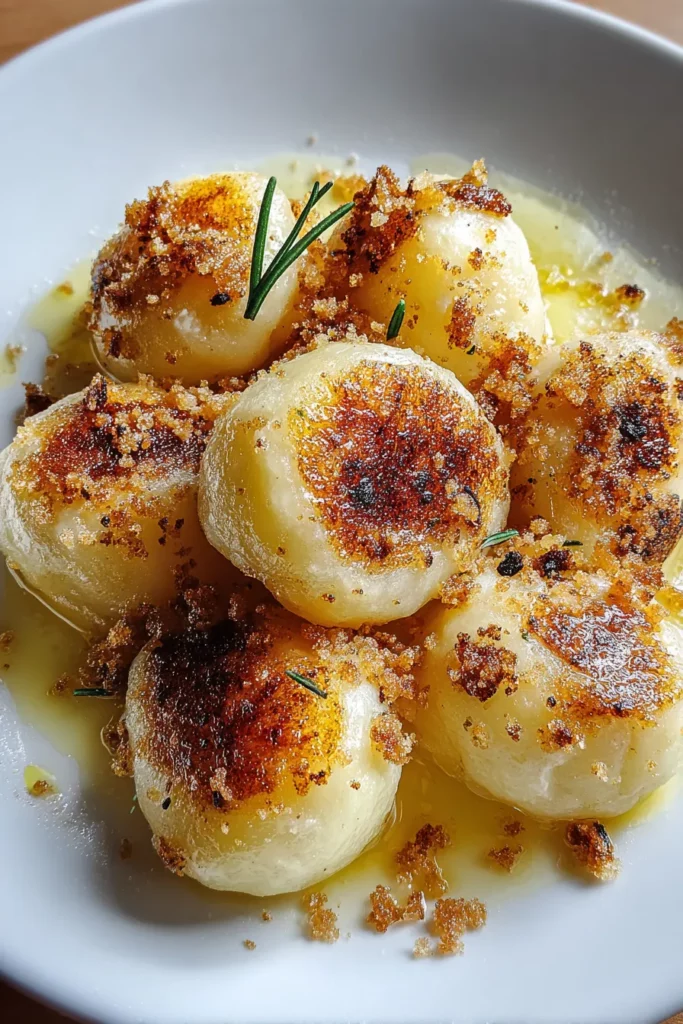

German Potato Dumplings
Description
These light and fluffy dumplings made from starchy potatoes are a heartwarming treat, perfect alongside savory meats and rich gravies that’ll warm your soul.
Ingredients
Instructions
-
Boil the potatoes with their skins in a large pot of salted water until tender, about 25-30 minutes.
-
Drain the potatoes and allow them to cool slightly. Peel the skins off while they are still warm. Use a potato ricer or masher to mash the potatoes until smooth.
-
Spread the mashed potatoes on a clean surface or in a mixing bowl. Allow them to cool completely.
-
Once cooled, mix the mashed potatoes with the flour, potato starch, beaten egg, salt, and nutmeg. Knead the mixture gently to form a smooth, pliable dough.
-
If you like, you can add a few breadcrumbs or small croutons to the dough for texture.
-
Divide the dough into equal portions and shape each into balls, approximately 2 inches in diameter.
-
Bring a large pot of salted water to a gentle boil. Carefully drop the dumplings into the boiling water, ensuring they don’t stick to each other.
-
Cook the dumplings until they float to the surface and then let them simmer for an additional 5-7 minutes.
-
Remove the dumplings with a slotted spoon and drain them well.
-
Serve immediately as a side dish with your favorite meat and gravy or sautéed vegetables.
Note
- These dumplings are traditionally served with roasted meats, like pork or beef, and are often paired with hearty gravies or sauces.
- If the dough feels too sticky, add a little more flour until the desired consistency is reached. Avoid over-kneading, as this can make the dumplings dense.
- Adding croutons inside the dumplings is a classic technique in some regions of Germany, providing a delightful crunch.
- These dumplings can also be made in advance and frozen. Boil them directly from the freezer without thawing to maintain the texture.

