

There’s something simply magical about Chinese sweet and sour sauce: a pool of vivid crimson nectar that instantly transforms any humble meal into a bright celebration of flavor. This vibrant Chinese classic takes just a few pantry staples and in under 25 minutes total—just 10 minutes prep, 7 minutes cooking, and a gentle 5-minute rest—delivers a dip or glaze bursting with sweet, tangy notes that dance on the palate. This sweet and tangy Chinese sauce captures the perfect balance of sugar, vinegar, and spices, creating a harmony that complements everything from golden-fried chicken to crisp-tender veggies. Whether you drizzle it over stir-fries, dunk spring rolls, or spoon it onto bite-sized pork morsels, each mouthful tells a story of home kitchen alchemy that’s both accessible and utterly delicious.
Beyond its colorful appearance, this sauce brings an uplifting zing to weeknight dinners and weekend feasts alike. With its beginner-friendly difficulty level and a calorie count of just 240 per serving, it earns top marks for taste without demanding culinary wizardry. The simple checklist of ingredients—white sugar, apple cider vinegar or white vinegar, ketchup, soy sauce, garlic powder, ground ginger, water, and cornstarch—sits in your pantry ready to unite in perfect synergy. As you whisk and simmer, you’ll notice the flavors deepen and meld, teasing your senses before the first bite. The best part? You can tweak the sugar-to-vinegar ratio to dial sweetness or tanginess up or down, tailoring the result to your family’s preferences. If you’re on the hunt for a show-stopping sauce that’s a cinch to whip up and elevates everything it touches, this recipe is about to become your new go-to secret weapon in the kitchen.
From the first taste, you’ll fall in love with how each sip of this sweet and sour elixir bridges comforting sweetness with a lively vinegar bite. It’s a symphony of contrasting flavors that feel both nostalgic and exciting, the kind that makes you smile at your own cooking skills. You might recall your favorite takeout dish bathed in this glossy red coat—or perhaps you’re conjuring up childhood memories of dunking spring rolls in pools of tangy goodness. Now you can recreate that same magic at home, using a method so straightforward it belongs in every home cook’s repertoire.
This sauce is remarkably versatile, moving effortlessly from lunch to dinner and back again to snack time. It doubles as a glaze for grilled meats, a finishing drizzle for roasted veggies, or a bold dipping companion when chips or wontons are on hand. Even better, you can infuse pineapple juice in place of water for an extra tropical tang that whisks you straight to sunny shores. As someone who loves experimenting, I adore how easy it is to adjust sugar and vinegar levels to hit just the right note. Ready to dive in? Let’s explore exactly how to assemble this flavor-packed condiment, step by loving step.
KEY INGREDIENTS IN CHINESES SWEET AND SOUR SAUCE
Every ingredient in this sauce plays a starring role, contributing to that signature sweet-tangy profile that makes it such a universal favorite. Let’s break down what you’ll need and why each component is crucial.
- White sugar
Provides the essential sweetness that balances the vinegar’s sharp edge. As it heats, sugar also helps create a smooth, glossy texture.
- Apple cider vinegar or white vinegar
Supplies the tangy backbone of the sauce. Apple cider vinegar adds a fruity nuance, while white vinegar delivers a cleaner, sharper bite.
- Ketchup
Acts as both a base for color and a source of tomato flavor. It brings subtle acidity and a hint of umami.
- Soy sauce
Delivers depth and a savory note, rounding out the sweetness and tang with a touch of saltiness.
- Garlic powder
Introduces a warm, aromatic background that enhances the overall complexity without the moisture of fresh garlic.
- Ground ginger
Adds a gentle heat and bright spiciness, cutting through the sweetness for a well-rounded profile.
- Water
Thins the sauce to the perfect consistency and helps activate the cornstarch during thickening.
- Cornstarch
Serves as the thickening agent, ensuring a smooth, clingy sauce that coats every bite.
HOW TO MAKE CHINESES SWEET AND SOUR SAUCE
Bringing this sauce to life is as simple as mixing, simmering, and thickening. Follow these clear steps to achieve the perfect balance and texture:
1. In a small saucepan, combine the white sugar, apple cider vinegar (or white vinegar), ketchup, soy sauce, garlic powder, and ground ginger. Stir the mixture well until the sugar is partially dissolved, creating the foundational sweet-and-sour base.
2. Place the saucepan over medium heat, bringing the mixture to a gentle simmer. Stir occasionally to prevent sticking, and let the flavors meld for about 5 minutes as the sauce slightly thickens.
3. In a separate small bowl, whisk together the water and cornstarch until the cornstarch is fully dissolved, forming a smooth slurry that ensures a lump-free sauce.
4. Gradually pour the cornstarch slurry into the simmering mixture, stirring constantly with a whisk or spoon to achieve an even texture without any clumps.
5. Continue cooking the sauce over medium heat for another 1–2 minutes, or until it reaches your desired thickness. The sauce should coat the back of a spoon and cling beautifully.
6. Remove the saucepan from heat and let the sauce cool slightly; this short resting period lets the flavors settle and the consistency firm up just a bit more.
7. Serve your homemade sweet and sour sauce alongside chicken, pork, vegetables, or use it as a glaze or dipping sauce for an undeniably vibrant burst of flavor.
SERVING SUGGESTIONS FOR CHINESES SWEET AND SOUR SAUCE
Once your sweet and sour sauce has thickened to a glossy finish, the real fun begins: pairing it with dishes that let its vibrant flavor shine. Whether you’re planning a casual family weeknight dinner or entertaining guests with a colorful spread, this sauce adds excitement and balance in every bite. For appetizers, it makes every spring roll, dumpling, and chicken nugget taste like a gourmet treat, encouraging eager fingers to dunk and savor. On a busy evening when you need something quick yet satisfying, a simple stir-fry of tender pork strips, crispy chicken bites, or tofu chunks tossed in this sauce transforms into a restaurant-worthy masterpiece. Crank up the flavor quotient by generously glazing roasted vegetables—sweet potatoes, bell peppers, and broccoli come alive under that sticky, tangy coating. For carb lovers, drizzle the sauce over freshly steamed rice or fried rice right before serving to infuse every grain with its zesty charm. And when you’re in the mood for a playful twist, try using this sauce as a dipping companion for homemade dumplings or even drizzled over crispy tater tots, fries, or onion rings for an unexpected Asian-inspired snack. No matter how you choose to serve it, proper presentation is key: spoon your sauce into a small bowl, garnish with sesame seeds or chopped scallions, and have dipping or drizzling utensils ready. This setup guarantees that every forkful and every dunk delivers that unmistakable sweet-and-sour punch that has become a beloved comfort flavor around the world.
- Spring rolls and dumplings: Place the sauce in a shallow dish for easy dipping. Garnish with chopped scallions or sesame seeds for extra flair.
- Stir-fries: Right before serving, toss your cooked protein and veggies in a few spoonfuls of warm sauce to coat every piece evenly.
- Glazed vegetables: Brush the sauce onto roasted or grilled vegetables in the final minutes of cooking, allowing it to caramelize into a shiny glaze.
- Rice and noodles: Drizzle the sauce over steamed rice or toss it into noodle bowls for a tangy finish that ties the entire meal together.
HOW TO STORE CHINESES SWEET AND SOUR SAUCE
Keeping the vibrant flavors of your homemade sauce intact between meals relies on proper storage techniques. With its bold balance of sugar and vinegar, this thick condiment resists spoilage, yet a few simple rules will ensure every batch tastes as fresh as the day it was cooked. Below are four foolproof methods to preserve your sauce’s texture, aroma, and flavor.
- Refrigerate in an airtight container: After the sauce cools to room temperature, transfer it into a clean, sealed glass or plastic container. Refrigerate immediately and consume within one week to guarantee peak flavor.
- Freeze in ice cube trays: Spoon the sauce into ice cube molds, freeze until solid, then pop out the cubes and store them in sealed freezer-safe bags. Each cube is a convenient portion for future use.
- Label and date: Use a permanent marker to note the preparation date on each container or bag. This simple step makes it easy to track freshness and avoid second-guessing the age of your sauce.
- Maintain cleanliness: Always use a clean, dry spoon when scooping sauce to prevent cross-contamination. Keep the container away from strong-smelling foods to preserve its own distinct aroma.
CONCLUSION
As you’ve discovered in this guide, whipping up homemade Chinese sweet and sour sauce is both rewarding and effortless. This vibrant condiment ranks as a beginner-friendly recipe, perfect for lunch or dinner. With just a 10-minute prep time, 7-minute cooking time, and a brief 5-minute rest, you can create roughly 240 calories per serving of the perfect balance between sweet sugar and tangy vinegar. Whether you lean toward extra tang by swapping in pineapple juice, adjust the sweetness to your taste, or use it as a glaze, dip, or stir-fry sauce, the possibilities are endless. Print this article or save it in your digital recipe box to have the step-by-step instructions, key ingredients, and storage tips at your fingertips whenever inspiration strikes. Below this section, you’ll find an FAQ crafted to answer common questions and troubleshoot any doubts while keeping the focus on making this kitchen staple your own. By following these clear steps and suggestions, you’ll master the art of sweet and sour sauce and elevate your homemade meals to restaurant-quality status.
Don’t hesitate to dive into the world of homemade sauces—this recipe is your gateway to mastering sweet-and-sour flavor profiles that make every bite memorable. If you give this sauce a try, we’d love to hear how it turned out! Share your results, questions, or any custom tweaks you made in the comments below. Did you experiment with pineapple-infused sweetness or swap in brown sugar for depth? Perhaps you found a new favorite way to serve it alongside grilled pork chops or as a dunking sauce for veggie tempura. Your feedback not only helps fellow home cooks but also inspires new variations that can become staples in your kitchen. So go ahead and stir, simmer, and taste your way to deliciousness, then come back to report your flavor victories—or even dilemmas—so we can troubleshoot and cheer you on. Happy cooking, and may your sweet and sour adventures always deliver that irresistible glossy tang that keeps you coming back for more!
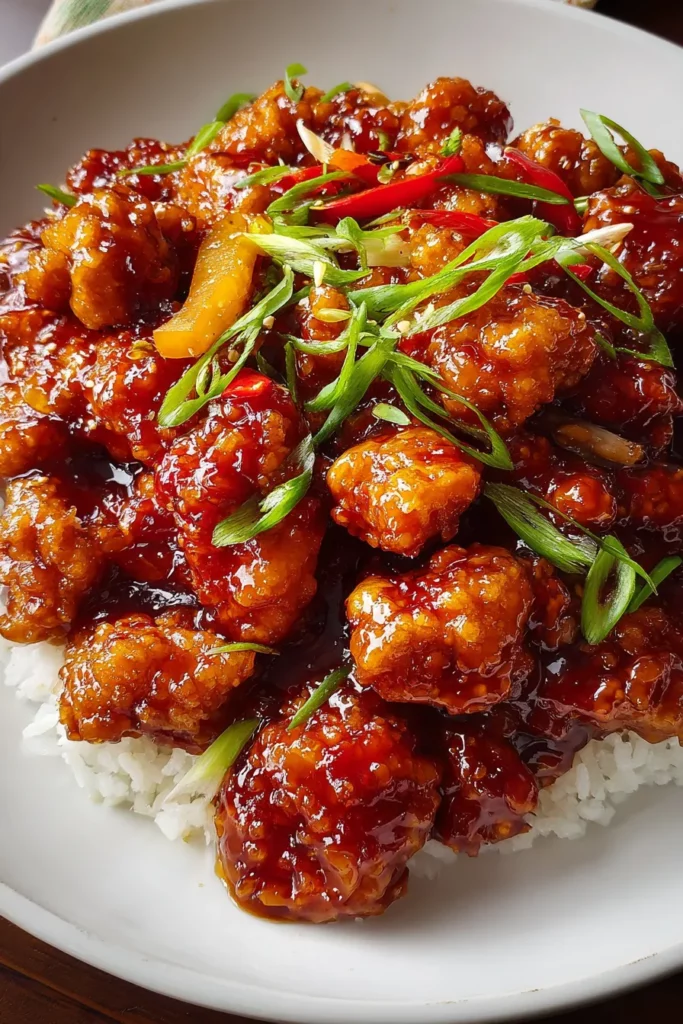

Chineses Sweet and Sour Sauce
Description
This sweet and tangy Chinese sauce captures the perfect balance of flavors, blending sugar, vinegar, and spices for a deliciously versatile accompaniment to meats and veggies.
Ingredients
Instructions
-
In a small saucepan, combine the sugar, apple cider vinegar (or white vinegar), ketchup, soy sauce, garlic powder, and ground ginger. Stir the mixture well until the sugar is partially dissolved.
-
Place the saucepan over medium heat, and bring the mixture to a gentle simmer while stirring occasionally. Allow it to cook for about 5 minutes.
-
In a separate small bowl, combine the water and cornstarch, and stir until the cornstarch is completely dissolved to create a slurry.
-
Gradually add the cornstarch mixture into the saucepan, stirring constantly to prevent lumps.
-
Continue to cook the sauce over medium heat until it thickens to your desired consistency. This should take about 1-2 minutes.
-
Once thickened, remove the sauce from the heat and allow it to cool slightly before serving.
-
Enjoy your Chinese sweet and sour sauce with your choice of dishes, such as chicken, pork, or vegetables.
Note
- The sauce can be stored in the refrigerator for up to a week.
- For an extra tangy flavor, you can substitute pineapple juice for some of the water.
- Adjust the sugar and vinegar levels to taste if a sweeter or more acidic version is preferred.
- This sauce can also be used as a glaze or dipping sauce.

