

There’s something magically indulgent about Chewy Chocolate Espresso Cookies that makes every bite feel like a mini celebration. With bold espresso notes weaving through rich cocoa and melty chocolate chunks, these cookies strike the perfect balance of sweet, bitter, and a whisper of sea salt. Crisp edges give way to a fudgy, soft center that practically melts on your tongue—this treat is the ultimate pick-me-up and will have you reaching for seconds (and maybe thirds)!
Key Ingredients
To bake these chewy delights, you’ll need high-quality staples that come together in perfect harmony:
- 1 cup (225 g) unsalted butter, softened to room temperature: Provides rich fat for a tender, chewy interior.
- 1 1/4 cups (250 g) granulated sugar: Adds sweetness and helps create crisp edges.
- 1 cup (200 g) packed light brown sugar: Contributes moisture and depth of flavor for extra chewiness.
- 2 large eggs, at room temperature: Bind the dough and build structure while keeping cookies moist.
- 2 tsp pure vanilla extract: Enhances sweetness and rounds out the espresso and chocolate notes.
- 2 1/4 cups (280 g) all-purpose flour, spooned and leveled: Forms the base of the dough for structure and chew.
- 3/4 cup (70 g) unsweetened cocoa powder (natural or Dutch-process): Delivers intense chocolate flavor and deep color.
- 1 tsp baking soda: Aids in leavening for slight lift and softer chew.
- 1/2 tsp baking powder: Works with soda to give cookies a tender crumb.
- 1 1/4 tsp fine sea salt (or 1 tsp table salt): Balances sweetness and highlights chocolate and espresso flavors.
- 1 1/2 tbsp instant espresso powder (see notes for strength adjustment): Infuses bold coffee flavor throughout the dough.
- 2 tbsp hot water (for dissolving espresso): Ensures the espresso powder blends smoothly into the batter.
- 1 1/2 cups (270 g) semi-sweet chocolate chips or chunks: Pools of melty chocolate for gooey bites.
- 1/2 cup (85 g) dark chocolate chunks (60–70% cacao), optional but recommended: Adds intense chocolate pockets and texture contrast.
- Flaky sea salt, for topping (optional): A light finish that heightens both sweetness and bitterness.
How To Make Chewy Chocolate Espresso Cookies
Baking these cookies is a fun, step-by-step journey that blends coffee and chocolate into a chewy masterpiece. You’ll start by infusing the dough with espresso, then cream your butter and sugars until light and fluffy for that perfect texture. From there, alternating wet and dry ingredients ensures an even, smooth batter before folding in chocolate chunks. A rest in the fridge helps control spread and deepen flavor, and precise portioning guarantees bakery-worthy results. Follow these detailed steps to get cookies with crisp edges and a soft, fudgy center.
1. Prepare the espresso mixture: In a small bowl, combine the instant espresso powder with hot water. Stir until completely dissolved and smooth, then set aside to cool slightly while preparing the dough.
2. Prep your baking equipment: Line 2–3 large baking sheets with parchment paper or silicone mats. If your kitchen is warm, clear fridge space for dough-chilling. Preheat the oven to 350°F (175°C) 10–15 minutes before baking.
3. Cream the butter and sugars: In a large bowl or stand mixer fitted with the paddle attachment, beat softened butter, granulated sugar, and brown sugar on medium speed for 3–4 minutes, scraping the bowl halfway through. Stop when the mixture is pale and fluffy.
4. Add eggs, vanilla, and espresso: Beat in eggs one at a time until fully incorporated. Pour in vanilla extract and cooled espresso mixture, then mix on medium-low until glossy and uniform, scraping down any streaks.
5. Whisk dry ingredients: In a separate bowl, whisk together flour, cocoa powder, baking soda, baking powder, and salt. Ensure there are no clumps of cocoa to prevent dry spots.
6. Combine wet and dry ingredients: With the mixer on low, add the dry mix in 2–3 additions. Mix just until no flour or cocoa streaks remain—overmixing leads to toughness.
7. Fold in chocolate: Using a spatula or wooden spoon, fold in semi-sweet chips and dark chunks by hand until evenly distributed. The dough will be thick and slightly sticky.
8. Chill the dough: Cover the bowl with plastic wrap or transfer to an airtight container. Chill for 45–60 minutes (or up to 24 hours), then let rest at room temperature for 15–20 minutes if very firm.
9. Portion the cookies: Use a medium (1½ tbsp) or large (3 tbsp) scoop. Roll dough into balls and space them at least 2 inches apart on baking sheets. Press a few extra chocolate pieces on top if desired.
10. Bake: Place one sheet in the oven at 350°F (175°C). For medium cookies, bake 9–11 minutes; for large, bake 11–13 minutes. Rotate halfway if needed. Cookies should have set edges and slightly underbaked centers.
11. Finish with flaky salt (optional but amazing): Immediately after removing from the oven, sprinkle a pinch of flaky sea salt on each hot cookie to enhance flavors.
12. Cool and set: Let cookies rest on the baking sheet for 8–10 minutes, then transfer to a wire rack to cool completely. If baking multiple batches, cool the sheet between rounds.
13. Storage: Once cooled, store in an airtight container at room temperature for up to 4–5 days. For extra chewiness, add a slice of bread or apple to the container.
14. Freezing unbaked dough (optional): Scoop dough into balls, freeze on a tray until solid (1–2 hours), then store in a bag for up to 2 months. Bake from frozen at 350°F (175°C) for 1–2 extra minutes without thawing.
Serving Suggestions
These Chewy Chocolate Espresso Cookies shine in so many ways—whether you’re serving guests or treating yourself:
- Serve warm from the oven on a pretty platter, letting the chocolate chunks ooze before adding a light sprinkle of flaky sea salt.
- Pair with a chilled glass of cold brew or creamy cappuccino to echo the bold coffee notes.
- Offer alongside a scoop of vanilla ice cream for a delightful hot-and-cold contrast.
- Present on a tiered dessert stand at your next gathering for an eye-catching, bite-sized indulgence.
Tips For Perfect Chewy Chocolate Espresso Cookies
Mastering these cookies is all about little tweaks that elevate flavor, texture, and presentation. From dialing in the espresso punch to controlling spread, these friendly pointers will help you bake like a pro every time:
- For stronger coffee flavor, increase the espresso powder to 2 tbsp; for milder, reduce to 1 tbsp.
- Use high-quality cocoa and chocolate; darker chocolate (60–70%) intensifies both the espresso and chocolate notes.
- If you prefer less spread and extra chewiness, chill the scooped dough balls for an additional 20–30 minutes before baking.
- To make them mocha-style, swap 1/4 cup of the semi-sweet chips for white chocolate chips.
- These pair beautifully with cold brew, cappuccino, or a glass of cold milk for contrast.
- For an eye-catching café-style look, press a few large chocolate chunks on top of each dough ball just before baking for visible melted pools.
How To Store It
Keeping these cookies fresh and chewy is easy with the right storage methods. Whether you’re saving leftovers or prepping ahead, follow these tips to maintain that perfect soft-fudgy bite:
- Store in an airtight container at room temperature for up to 4–5 days to keep texture and flavor intact.
- Add a slice of bread or apple to the container to maintain moisture—replace when it becomes dry.
- Freeze baked cookies in a freezer-safe bag or container, layering with parchment paper; freeze up to 2 months, then thaw at room temperature.
- For longer-term prep, freeze unbaked dough balls on a tray until firm, then transfer to a bag; bake from frozen with 1–2 extra minutes at 350°F (175°C).
Frequently Asked Questions
Here are answers to the top questions about Chewy Chocolate Espresso Cookies:
- Q: What causes these Chewy Chocolate Espresso Cookies to have a soft, chewy center with crisp edges, and how can I maximize that texture?
A: The key is proper creaming of room-temperature butter with both sugars for 3–4 minutes until light and fluffy, which traps air and yields chewiness. Chilling the dough for at least 45–60 minutes (or up to 24 hours) solidifies the fat, preventing over-spread and enhancing chewiness. Finally, baking until the edges are set but the centers still look slightly underbaked (9–11 minutes for medium cookies, 11–13 minutes for large) ensures a soft interior.
- Q: My cookies are spreading too much and coming out flat. What adjustments can I make?
A: Ensure your butter is softened but not overly warm—too-soft butter leads to excess spread. Chill the dough balls an extra 20–30 minutes on the baking sheet before baking. Bake on a cool tray (not just out of the hot oven) and consider lining with parchment or silicone mats. If needed, extend chilling time or refrigerate the scooped dough up to 24 hours to control spread.
- Q: How can I adjust the espresso flavor to be stronger or milder?
A: The recipe uses 1½ tablespoons instant espresso powder dissolved in 2 tablespoons hot water. For a stronger coffee note, increase espresso powder to 2 tablespoons; for a milder hint, reduce to 1 tablespoon. Always dissolve in hot water first and let cool slightly so it blends smoothly into the dough without seizing.
- Q: What is the best way to store these cookies to maintain freshness and chewiness?
A: Once fully cooled, store cookies in an airtight container at room temperature for up to 4–5 days. To retain moisture and chewiness, add a slice of bread or a few apple slices to the container—replace them if they dry out. This simple trick absorbs excess air and keeps cookies soft.
- Q: Can I freeze the cookie dough or baked cookies for future baking?
A: Yes. For baked cookies, layer them with parchment in a freezer-safe bag or container and freeze up to 2 months; thaw at room temperature. For dough, scoop and roll into balls after the initial chill, freeze on a tray until firm (1–2 hours), then transfer to a bag for up to 2 months. To bake from frozen, place dough balls on a lined sheet and add 1–2 minutes to the standard bake time at 350°F (175°C) without thawing.
- Q: May I substitute Dutch-process cocoa powder for natural cocoa powder?
A: You can use either Dutch-process or natural unsweetened cocoa powder. Since the recipe includes both baking soda and baking powder, the leavening balance accommodates either type. Just be sure to whisk out any clumps in the dry mix so the cocoa distributes evenly and prevents dry spots in the dough.
What Makes This Special
These Chewy Chocolate Espresso Cookies stand out thanks to the perfect marriage of robust espresso and deep cocoa, studded with gooey chocolate pools and finished with a kiss of sea salt. That contrast of textures—from crisp edges to a pillow-soft center—keeps every bite exciting, while the slight coffee kick elevates them beyond your average chocolate chip cookie. Go ahead and print this article to save for later; you’ll want to bake these again (and again!). If you whip up a batch, drop a comment or question below—I’d love to hear how they turned out or help troubleshoot any baking hiccups!
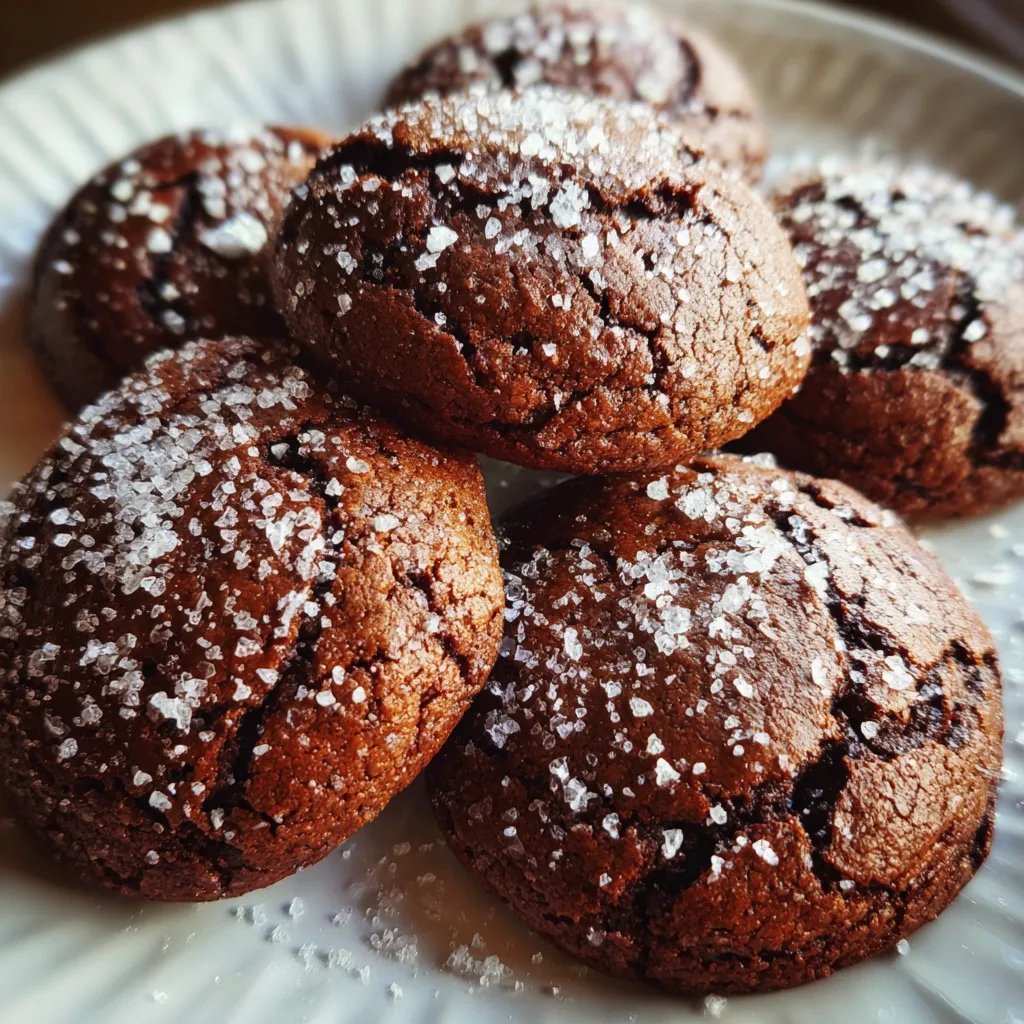

Chewy Chocolate Espresso Cookies
Description
These chewy cookies blend rich cocoa and robust espresso, studded with oozing chocolate chunks and topped with flaky sea salt. Slightly crisp edges unveil a soft, fudgy interior that melts on your tongue.
Ingredients
Instructions
-
Prepare espresso mixture:
-
- In a small bowl, combine the instant espresso powder and hot water.
-
- Stir until completely dissolved and smooth.
-
- Set aside to cool slightly while you prepare the rest of the dough.
-
Prep your baking equipment:
-
- Line 2–3 large baking sheets with parchment paper or silicone baking mats.
-
- If your kitchen is warm, clear some space in the fridge for chilling the dough on a tray.
-
- Preheat your oven to 350°F (175°C) about 10–15 minutes before baking.
-
Cream the butter and sugars:
-
- In a large mixing bowl (or the bowl of a stand mixer fitted with the paddle attachment), add the softened butter, granulated sugar, and brown sugar.
-
- Beat on medium speed for 3–4 minutes, scraping down the sides and bottom of the bowl halfway through, until the mixture is lightened in color and looks fluffy.
-
- Proper creaming helps create a chewy–soft center with slightly crisp edges.
-
Add eggs, vanilla, and espresso:
-
- Add the eggs one at a time, beating on medium speed after each addition until fully incorporated.
-
- Add the vanilla extract and the cooled espresso mixture.
-
- Beat again on medium-low until the mixture looks smooth and glossy. Scrape the bowl thoroughly to ensure no streaks of butter remain.
-
Whisk dry ingredients:
-
- In a separate medium bowl, whisk together the flour, cocoa powder, baking soda, baking powder, and salt.
-
- Break up any clumps of cocoa with the whisk so the mixture is evenly combined; this prevents dry pockets in your dough.
-
Combine wet and dry ingredients:
-
- With the mixer on low speed, gradually add the dry ingredient mixture to the wet ingredients in 2–3 additions.
-
- Mix just until no visible flour or cocoa streaks remain; avoid overmixing, which can make cookies tough.
-
- Stop the mixer and use a spatula to scrape the sides and bottom, folding the dough a few times to ensure it is evenly combined.
-
Fold in chocolate:
-
- Add the semi-sweet chocolate chips and dark chocolate chunks to the dough.
-
- Use a spatula or wooden spoon to fold them in by hand, distributing them evenly throughout the dough.
-
- The dough will be thick and slightly sticky; this is normal.
-
Chill the dough:
-
- Cover the bowl tightly with plastic wrap, or transfer the dough to an airtight container.
-
- Chill for at least 45–60 minutes, or up to 24 hours for more developed flavor and better texture.
-
- If chilling longer than 2 hours, allow the dough to sit at room temperature for about 15–20 minutes before scooping, so it is easier to handle.
-
Portion the cookies:
-
- Use a medium cookie scoop (about 1 1/2 tbsp of dough) for standard cookies, or a large scoop (about 3 tbsp) for bakery-style cookies.
-
- Roll each portion quickly between your hands to make a smooth ball.
-
- Place the dough balls on the prepared baking sheets, leaving at least 2 inches (5 cm) between each for spreading.
-
- For extra chocolate puddles, press a few additional chocolate chips or chunks gently into the tops of each dough ball.
-
Bake:
-
- Bake one sheet at a time in the preheated 350°F (175°C) oven.
-
- For medium cookies (about 1 1/2 tbsp dough): bake 9–11 minutes, until the edges look set but the centers still appear slightly soft and puffy.
-
- For large cookies (about 3 tbsp dough): bake 11–13 minutes, checking at 10 minutes; the cookies should be set on the edges and a bit underbaked in the centers.
-
- Rotate the baking sheet halfway through if your oven bakes unevenly.
-
Finish with flaky salt (optional but amazing):
-
- As soon as the cookies come out of the oven, while they are still hot and soft, lightly sprinkle a pinch of flaky sea salt on top of each cookie.
-
- This enhances the chocolate and espresso flavor and adds a pleasant contrast.
-
Cool and set:
-
- Allow the cookies to cool on the baking sheet for 8–10 minutes; they will continue to set and firm up as they cool.
-
- Transfer the cookies carefully to a wire rack to cool completely for maximum chewiness.
-
- If baking multiple batches, let the baking sheet cool before reusing or rinse with cool water and dry it so the next batch does not over-spread.
-
Storage:
-
- Once fully cooled, store the cookies in an airtight container at room temperature for up to 4–5 days.
-
- For extra chewiness on day 2 and beyond, place a small piece of bread or a slice of apple in the container to keep them moist (replace as needed).
-
- To freeze, place baked cookies in a freezer bag or container with parchment between layers and freeze for up to 2 months; thaw at room temperature.
-
Freezing unbaked dough (optional):
-
- Scoop and roll the dough into balls after chilling.
-
- Place the dough balls on a parchment-lined tray and freeze until solid, about 1–2 hours.
-
- Transfer frozen dough balls to a freezer bag and store up to 2 months.
-
- To bake from frozen, place on a lined baking sheet and bake at 350°F (175°C) for an extra 1–2 minutes, no need to thaw.
Note
- For stronger coffee flavor, increase the espresso powder to 2 tbsp; for milder, reduce to 1 tbsp.
- Use high-quality cocoa and chocolate; darker chocolate (60–70%) intensifies both the espresso and chocolate notes.
- If you prefer less spread and extra chewiness, chill the scooped dough balls for an additional 20–30 minutes before baking.
- To make them mocha-style, swap 1/4 cup of the semi-sweet chips for white chocolate chips.
- These pair beautifully with cold brew, cappuccino, or a glass of cold milk for contrast.
- For an eye-catching café-style look, press a few large chocolate chunks on top of each dough ball just before baking for visible melted pools.

