
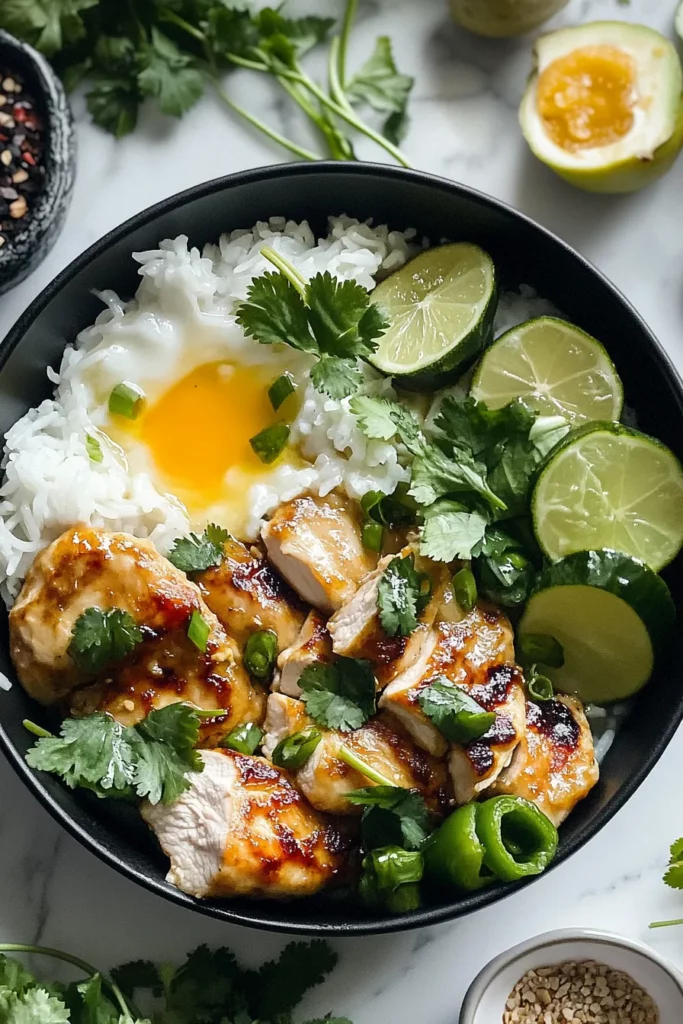
Vietnamese Lemongrass Chicken is one of those dishes that sings with vibrancy the moment you dive into the first bite. Tender, succulent chicken bathed in a fragrant blend of lemongrass, garlic, ginger, and a touch of spicy chili feels like a warm hug from Vietnamese home cooking. There’s something so thrilling about that citrusy, herbal punch that lemongrass brings—bright enough to wake up your taste buds, but gentle enough to let the deeper, umami-rich notes of fish sauce and soy sauce shine through. Every time I cook this, my kitchen fills with tantalizing scents that promise flavor adventures ahead.
Let me tell you, this recipe is a total game-changer for busy weeknights or lazy weekend dinners. It’s approachable for beginners—no fancy equipment needed—and still impresses like a showstopper when friends drop by. I remember the first time I made it for a small gathering: the moment everyone tasted the chicken, there was a collective “wow.” Plates were polished off so quickly, I had to scramble for seconds just to keep up! Whether you’re cooking for a cozy night in or feeding a crowd, this Vietnamese Lemongrass Chicken brings the perfect balance of savory, tangy, and just a hint of heat. Let’s dive into the colorful world of ingredients and step-by-step magic that will have you mastering this dish in no time.
Every great recipe starts with stellar ingredients, and this Vietnamese Lemongrass Chicken is no exception. The beauty of this dish lies in its simplicity—each item plays a clear role in building layers of flavor, from the aromatic base to the bright garnishes that finish the plate. Here’s a breakdown of what you’ll need and why each ingredient matters:
Let’s roll up our sleeves and bring this dish to life. Follow these steps to transform simple ingredients into an unforgettable, flavor-packed meal.
1. Prepare the chicken
Start by trimming any excess fat from your chicken thighs or breasts, then slice breasts into smaller pieces for quicker cooking if you’re using them. Place all the chicken in a large bowl to get ready for the marinade.
2. Whisk together the marinade
In another bowl, combine the finely chopped lemongrass, minced garlic, optional chilies, grated ginger, fish sauce, soy sauce, brown sugar, vegetable oil, lime juice, and sesame oil. Whisk vigorously until the sugar dissolves and you’re left with a smooth, aromatic mixture.
3. Marinate the chicken
Pour the marinade over the chicken and toss well so each piece is thoroughly coated. Cover the bowl with plastic wrap and refrigerate for at least 30 minutes, or up to 2 hours if you want an even bolder flavor infusion.
4. Sear the chicken
Heat a large skillet or frying pan over medium-high heat until it’s hot. Add the marinated chicken, ensuring pieces are not overcrowded. Sear for about 5–7 minutes per side, or until you achieve a golden crust and the chicken is cooked through.
5. Prep the garnishes
While your chicken sizzles away, thinly slice the cucumber and red onion, and chop the cilantro leaves. Having these fresh elements ready will streamline plating.
6. Let it rest
Remove the chicken from the pan and place it on a clean plate to rest for a couple of minutes—this step locks in the juices. Then slice the chicken into bite-sized pieces for easy serving.
7. Plate the dish
Spoon a generous serving of cooked jasmine rice onto each plate. Arrange the sliced chicken on top, letting those pan juices drizzle down into the rice for extra flavor.
8. Garnish and finish
Scatter the fresh cilantro, cucumber, and red onion around the chicken. If you like, spoon a little of the remaining pan sauce over everything. Serve immediately and enjoy the vibrant harmony of textures and tastes.
When it comes to presenting this fragrant chicken masterpiece, the possibilities are endless. The key is to balance textures, temperatures, and complementary flavors that enhance the star of the show. Whether you’re aiming for a colorful family-style spread or an elegant solo plate, thoughtful accompaniments will elevate every bite. Here are some of my favorite ways to serve this dish so that it feels fresh, fun, and utterly delicious:
Serve alongside pickled carrots and daikon radishes for a bright, tangy crunch that cuts through the savory richness of the chicken. The contrast in textures makes each mouthful pop.
Lightly steamed bok choy, gai lan, or broccoli tossed with a drizzle of sesame oil and a pinch of salt brings a warm, vegetal element that balances the meal and adds vibrant color.
Offer lettuce leaves or rice paper wrappers for a hands-on experience. Let guests assemble their own rolls with chicken, herbs, sliced cucumber, and a touch of extra sauce for interactive dining.
Layer cooked rice vermicelli noodles under the sliced chicken, then top with crushed peanuts, fresh mint, cilantro, and a squeeze of lime juice. It’s a refreshing noodle bowl that’s perfect for warmer days.
Keeping leftover Vietnamese Lemongrass Chicken fresh and flavorful is all about proper storage and attention to temperature. Whether you’re saving dinner for tomorrow’s lunch or stashing extra portions for a future quick meal, follow these guidelines to maintain the dish’s texture and taste. Good storage practices ensure the chicken stays moist, the marinade flavors linger, and none of the zest gets lost in the fridge or freezer. Here’s how to make sure every bite remains as delightful as when it was first cooked:
Transfer cooled chicken and any remaining sauce into an airtight container. Store in the fridge for up to 3–4 days. Keeping the sauce separate helps the chicken retain its texture without becoming overly soggy.
For longer storage, place chicken in a freezer-safe bag or container and pour a thin layer of marinade over it. Freeze for up to 2 months. Thaw overnight in the fridge before reheating gently on the stove.
If you have extra pan sauce, store it in a small jar or container separate from the chicken. Add it back just before serving or reheating to refresh the flavors and keep the meat tender.
Reheat chicken over low-medium heat in a nonstick pan, adding a splash of water or leftover sauce to revive moisture. Cover the pan with a lid for a minute to steam the chicken gently, then uncover to crisp up the edges.
What a journey—from fresh, zesty ingredients to a plate brimming with aromatic, caramelized chicken that sings of Southeast Asian sunshine! We’ve explored how simple lemongrass and garlic can transform everyday chicken into something truly special, and you’ve learned every step to make it shine: from whisking the marinade and marinating with care, to searing the chicken for that irresistible golden crust and dressing the final dish with crisp cucumber, punchy red onion, and fragrant cilantro. Whether you’re a cooking novice or a seasoned home chef, this Vietnamese Lemongrass Chicken recipe is a versatile go-to that suits lunches, dinners, or even party spreads. Remember, the balance of savory, tangy, and spicy is in your hands—adjust chilis, sugar, and lime to find your perfect harmony.
Feel free to print out this article or bookmark it for later—having a reliable copy on your fridge or in your recipe binder means you can revisit these tips any time inspiration strikes. You’ll also find a handy FAQ section below to answer common questions about ingredient swaps, cooking times, and more. If you give this recipe a try, I’d love to hear how it turned out! Drop a comment, share your tweaks, or ask any questions you have about the process. Your feedback not only helps me improve but also inspires fellow home cooks to bring a bit of Vietnamese flair into their kitchens. Happy cooking, and may each bite be as bright and joyful as the flavors we’ve celebrated here!
Experience a delightful balance of savory, tangy, and slightly spicy flavors with succulent chicken marinated in aromatic lemongrass and garlic. Perfect for any occasion!

Hi, I'm Matthew Roberts, founder of Food Recipes USA! As a culinary historian and fourth-generation restaurateur, I've dedicated my life to preserving, celebrating, and evolving the rich tapestry of American cuisine.