
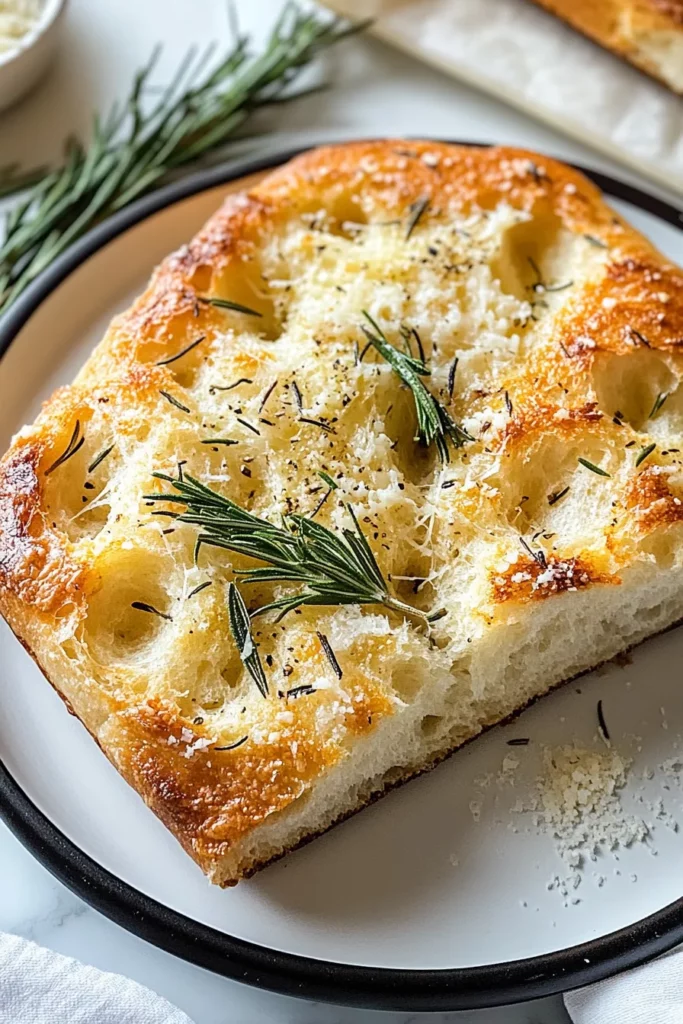
There’s something deeply satisfying about pulling a loaf of Rustic Rosemary Parmesan Bread out of the oven, its crust crackling as it cools on the rack. Baking this loaf transforms your kitchen into a cozy haven, where the earthy scent of fresh rosemary mingles with the rich, nutty perfume of melting Parmesan. Every slice offers a symphony of textures: a golden, crispy exterior yields to a tender, olive oil–kissed crumb that’s rife with herbal brightness. It’s the kind of bread that makes you pause, knife in hand, and smile at the simple joy of homemade goodness.
I still remember the first time I baked this bread on an overcast afternoon. The kids were clamoring for snacks, and I wanted something homemade but not fussy—and this recipe fit the bill perfectly. While I kneaded the dough, the rhythmic motion felt almost therapeutic, like a little meditation before the final crescendo of flavors. When that loaf finally emerged, golden and fragrant, the whole family gathered around. We dipped crusty wedges into olive oil, laughed over right-out-of-the-oven crumbs, and vowed never to settle for store-bought again. This loaf is more than just bread; it’s a ritual, a celebration of rustic simplicity—perfect for lunches, dinners, or whenever you need a taste of home.
Every component of this Rustic Rosemary Parmesan Bread plays its own part in creating a loaf that’s flavorful, aromatic, and delightfully textured. From the sturdy base of flour to the finishing flourish of cheese and herbs, each ingredient contributes to that signature rustic charm.
The backbone of the dough, providing structure and the perfect balance of softness and chewiness. It forms the gluten network that traps air and gives the bread its rise.
A small touch of sweetness that helps feed the yeast during fermentation, boosting its activity and adding depth to the flavor profile.
Essential for flavor enhancement, it also strengthens the gluten structure, ensuring a well-textured crumb and controlled yeast activity.
Chopped and folded into the dough, its piney, fragrant notes infuse every bite with an herbaceous complexity.
The leavening agent that transforms the dough into a light and airy loaf. When activated in warm water, it becomes frothy and ready to work its magic.
At about 110°F, it wakes the yeast without killing it, allowing for a steady and controlled rise of the dough.
Incorporated into the dough for tenderness and moistness, it also lends a subtle fruity richness that complements the herbs.
Mixed into the dough for its nutty, salty character. As it bakes, the cheese pockets melt and create delightful flavor bursts.
Sprinkled on top for a final herbal flourish and visual appeal, it toasts lightly in the oven for an even more intense aroma.
Used to coat the bowl and baking sheet, it prevents sticking and imparts extra moisture to the crust.
Bringing together these ingredients is a straightforward process, yet it yields a loaf that feels truly artisanal. With a little hands-on kneading, a comfortable rise, and a gentle bake, you’ll have a rustic centerpiece ready to impress.
1. In a large mixing bowl, combine the flour, sugar, salt, and chopped rosemary. Stir until the dry ingredients are evenly mixed, ensuring the rosemary is distributed throughout the flour.
2. In a small bowl, dissolve the yeast in warm water and let it sit for about 5–10 minutes until it becomes frothy, signaling that the yeast is active.
3. Pour the yeast mixture into the dry ingredients, followed by the olive oil. Stir with a wooden spoon or your hands until the dough begins to come together into a shaggy mass.
4. Turn the dough onto a floured surface and knead for about 8–10 minutes, incorporating additional flour as needed, until the dough is smooth, elastic, and springs back when pressed.
5. Grease a large bowl with olive oil and place the dough inside. Cover with a clean kitchen towel or plastic wrap. Let the dough rise in a warm place for about 1 hour, or until doubled in size.
6. Preheat your oven to 375°F (190°C) to ensure it’s fully heated by the time the bread has its second proof.
7. Once the dough has risen, gently punch it down to release gas bubbles and shape it into a round loaf. Transfer the loaf to a greased or parchment-lined baking sheet.
8. Sprinkle the top of the loaf with the remaining fresh rosemary and grated Parmesan cheese, creating an even topping that bakes into a flavorful crust.
9. Let the loaf rise uncovered for another 20–30 minutes, allowing it to puff up and develop more volume.
10. Bake in the preheated oven for 30–35 minutes, or until the crust is golden brown and the bottom sounds hollow when tapped.
11. Remove the bread from the oven and let it cool on a wire rack before slicing, so the crumb sets and you avoid gummy interiors.
Once your Rustic Rosemary Parmesan Bread emerges from the oven with its golden crust and mouthwatering aroma, serving it can become a true celebration of simple flavors. This versatile loaf pairs wonderfully with a wide range of meals, from hearty soups to elegant cheese boards, and its rustic charm can transform an ordinary gathering into a special occasion. Slicing through the crunchy exterior reveals a soft, olive oil–infused crumb studded with bright flecks of fresh rosemary and rich puffs of Parmesan cheese. The contrast between the crisp crust and tender interior makes every bite satisfyingly complex, inviting you to explore different pairings and textures. Whether you’re hosting a family dinner, serving a casual lunch, or simply indulging in an afternoon snack, this bread will shine. Consider toasting slices lightly before serving to accentuate the nutty Parmesan notes and release the fragrant oils of the rosemary. For an extra touch of indulgence, drizzle a little high-quality olive oil or a pat of softened herb butter on top before presenting. Pair each slice with a homemade tomato soup or a vibrant salad sprinkled with shaved Parmesan and a drizzle of balsamic glaze for a balanced meal. It truly never fails to impress.
Storing Rustic Rosemary Parmesan Bread properly is essential to preserving its delightful texture and vibrant flavors, and with a few simple techniques, you can enjoy slices of this aromatic loaf for days. After the bread has cooled completely on a wire rack, any lingering warmth can encourage condensation inside storage containers, which can lead to a soggy crumb or stale crust. For short-term enjoyment over the next two days, wrap the loaf loosely in clean kitchen towels and place it in a bread box or a cool, dry cupboard away from direct sunlight. This method maintains the crispy exterior while keeping the interior tender. If you need to extend the shelf life beyond a couple of days, transfer wrapped slices into an airtight container or heavy-duty resealable bag and store them in the refrigerator. Before sealing, remove as much air as possible to limit exposure to moisture and odors. For long-term storage, freeze individual portions in freezer-safe bags, separating each piece with a layer of parchment paper to prevent sticking. When you’re ready to savor the bread again, thaw slices at room temperature or reheat gently in a toaster or oven to revive that beloved crust. Enjoy every delightful slice.
We’ve taken you on a journey from the very first sprinkle of chopped rosemary into the mixing bowl all the way to that final, glorious slice bursting with nutty Parmesan and fragrant herbs. You’ve learned how each key ingredient plays its role, how to knead and proof the dough for perfect lift, and how to bake until the loaf is golden and crisp. We’ve shared tips for serving—from dipping in olive oil to partnering with vibrant soups—and for storing, whether you’re enjoying it fresh, chilled, or straight from the freezer. With a total preparation time of about 30 minutes, a baking time of 35 minutes, and a rest period of 1½ hours, this intermediate-level recipe slots neatly into your dinner or lunch plans. Feel free to print and save this guide for easy reference, and know that a handy FAQ section follows below if you have any troubleshooting questions or want to dive deeper into techniques.
If you decide to try this Rustic Rosemary Parmesan Bread, I’d love to hear how it went! Drop a comment with your experience, ask any questions that pop up during your first bake, or share creative serving ideas you’ve discovered. Your feedback not only helps me fine-tune future recipes but also inspires fellow home cooks to take up their wooden spoons and transform simple ingredients into that heartwarming loaf that keeps everyone coming back for more.
This hearty and aromatic bread brings together the earthy notes of fresh rosemary and the rich, nutty flavor of Parmesan cheese, making it an irresistible addition to your table.

Hi, I'm Matthew Roberts, founder of Food Recipes USA! As a culinary historian and fourth-generation restaurateur, I've dedicated my life to preserving, celebrating, and evolving the rich tapestry of American cuisine.