
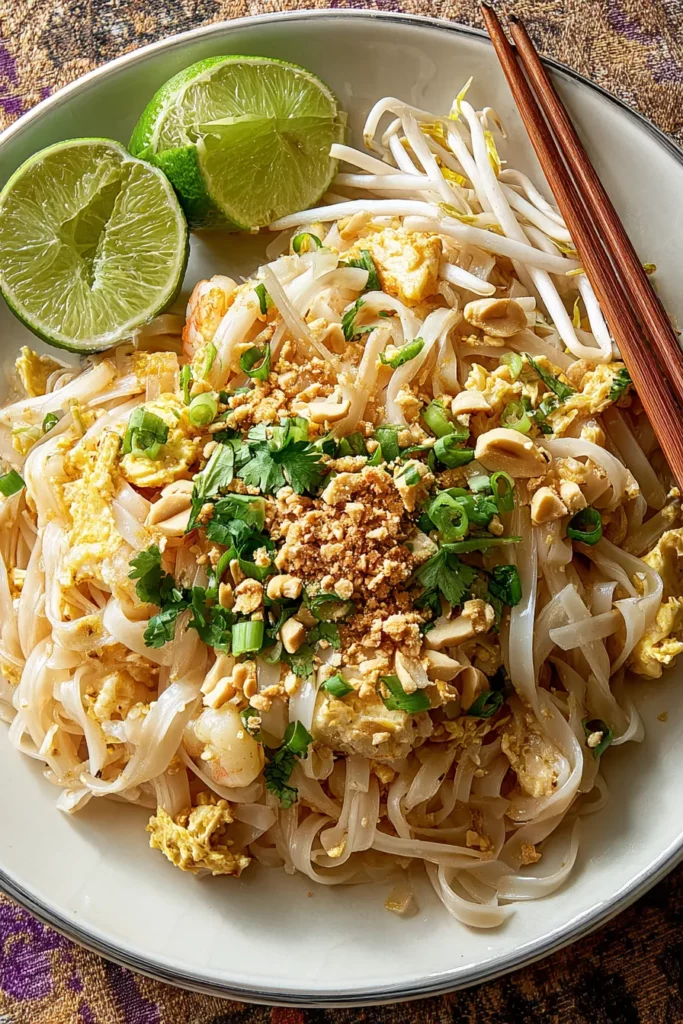
Whipping up a plate of homemade Pad Thai is like sending your taste buds on a spontaneous vacation to the bustling street markets of Bangkok—all from the comfort of your own kitchen. With every stir of the wok, you’ll feel as though you’re painting a culinary masterpiece, layering in vibrant flavors and textures that dance together in perfect harmony. The slippery, silky rice noodles beckon you in, while tender ribbons of chicken or plump shrimp nestle among crunchy peanuts and crisp bean sprouts. As you sprinkle in a bright squeeze of lime juice and a dash of chili powder, the dish comes alive, offering a lively balance of savory, tangy, and subtly sweet notes that linger long after the last forkful is gone.
Beyond the incredible flavor, the real magic of Pad Thai lies in its versatility and the warm memories you’ll create. Maybe you’ll roll up your sleeves on a cozy weeknight, turning a simple dinner into an at-home celebration, or invite a few friends over for a colorful noodle bar where everyone can customize their own bowl. There’s something incredibly satisfying about gathering around the stove, sharing stories as the sauce reduces to a glossy sheen and the aromas start to fill the air. Whether you’re a kitchen novice or a seasoned home cook, this dish hits all the right notes—and might just become your next signature recipe.
Before we dive into the step-by-step cooking process, let’s get acquainted with the star players in this beloved Thai noodle dish. Each ingredient brings its own personality, working together to create that signature Pad Thai experience we all crave.
These noodles are the foundation of Pad Thai, offering a delicate, slightly chewy texture that soaks up sauces beautifully. They act like little flavor sponges, ensuring every bite bursts with taste.
A neutral oil with a high smoke point, perfect for stir-frying without burning. It helps everything glide around the pan and prevents sticking.
Chopped onion adds a mild sweetness and a subtle layer of aromatic depth. As it softens, it creates a savory base for the rest of the ingredients.
Minced garlic packs a punch, infusing the dish with a warm, pungent aroma that wakes up your palate and complements the savory sauces.
Sliced thinly for quick, even cooking. Chicken lends a hearty, protein-rich bite, while shrimp adds a delicate, ocean-fresh flavor—choose your favorite or mix both!
Lightly beaten and scrambled directly in the pan, they add richness and help bind the noodles and protein together for a cohesive dish.
Crisp and refreshing, these little sprouts introduce a satisfying crunch and brighten up each forkful.
A classic Thai umami booster, providing salty depth and that unmistakable savory complexity fundamental to authentic Pad Thai.
Enhances the umami profile while contributing a hint of caramelized sweetness and a rich color to the noodles.
This bright, acidic touch cuts through the savory elements and lifts the entire dish, delivering the zesty punch that balances everything.
A small addition that fosters the harmonious sweet-and-sour dynamic, rounding out the flavors and mellowing the fish sauce’s intensity.
Adds that sought-after kick of heat—adjustable to taste—so you can dial up the spice level for an extra kick.
Chopped peanuts contribute a toasty crunch and nutty nuance, accenting the soft noodles and tender protein.
Sliced green onions lend fresh, mild oniony flavor and a pop of vibrant green for visual appeal.
Served on the side for extra tang. A final squeeze of fresh lime elevates each bite with renewed brightness.
Sprinkled on top as a fragrant herbal garnish, adding a cool, citrusy finish that ties all the flavors together.
Ready to bring all these ingredients together? Follow these steps for a foolproof Pad Thai that’s bursting with flavor and color.
1. Begin by soaking the rice noodles according to package instructions until they are just pliable and slightly softened. Drain them thoroughly and set aside in a colander so they don’t stick. Properly soaked noodles ensure a tender bite without turning mushy once stir-fried.
2. In a large pan or wok, heat one tablespoon of vegetable oil over medium heat. Add the chopped onion and minced garlic, sautéing for 2–3 minutes until they begin to soften and release their fragrant aromas. This step builds the savory foundation of the dish.
3. Add the sliced chicken or shrimp to the pan, spreading the pieces out so they contact the hot surface evenly. Cook for about 4–5 minutes, stirring occasionally, until the protein is fully cooked through and has developed a light golden-brown sear.
4. Push the cooked meat and vegetables to one side of the pan. Pour the beaten eggs into the empty space, gently scrambling until just set. Once the eggs are cooked, fold them into the meat mixture, integrating everything into a unified, fluffy blend.
5. Add the drained noodles back into the pan along with the bean sprouts, fish sauce, soy sauce, lime juice, sugar, and chili powder. Use tongs or a spatula to toss and stir-fry, ensuring every strand of noodle is coated in the glossy sauce and every ingredient is evenly distributed.
6. Sprinkle in half of the chopped roasted peanuts and sliced green onions. Continue to cook for another 2–3 minutes, allowing the flavors to meld and the heat to warm everything through without overcooking the noodles.
7. Serve the Pad Thai piping hot, garnished with the remaining peanuts, green onions, fresh cilantro, and lime wedges on the side. Each garnish brings a fresh punch of texture and flavor to the final presentation.
Serving Pad Thai isn’t just about dishing it onto a plate—it’s an opportunity to elevate the experience and cater to everyone gathered around the table. Whether you’re throwing a casual weeknight dinner or hosting a noodle-themed gathering, presentation and accompaniments can turn a simple meal into something truly memorable. With a few thoughtful touches, you’ll showcase the vibrant colors, textures, and flavors that make this dish irresistible. Consider setting out small bowls of extra garnishes and condiments so guests can personalize their own bowls, creating a fun, interactive meal that sparks conversation and creativity.
Storing leftover Pad Thai properly is key to preserving its texture and flavor, especially when you’re looking to enjoy it the next day. While this dish is undoubtedly best eaten fresh, well-packed leftovers can still taste fantastic if handled correctly. Focus on keeping noodles from clumping, preventing moisture buildup, and maintaining the crispness of garnishes. Proper refrigeration and reheating steps will help retain that bright, tangy pop of flavor you love. Here are a few simple tips to keep your Pad Thai just as delicious when stored and reheated.
Recapping all the steps and insights into making homemade Pad Thai, you can see how straightforward and rewarding this dish truly is. From those silky flat rice noodles to the perfect balance of fish sauce, lime juice, and sugar, every ingredient plays a role in crafting that authentic Thai taste. The process may feel like an art form, but it’s surprisingly accessible—soaking noodles, sautéing aromatics, scrambling eggs, and finally tossing everything together lets you engage with each flavor layer. By garnishing with peanuts, green onions, cilantro, and lime, you complete the sensory journey, delivering a feast for the eyes as well as the palate. Don’t forget to experiment with spice levels or even try tofu for a vegetarian twist. And remember, once you’ve mastered the basics, you can personalize your Pad Thai to suit any dietary preference or flavor craving. Feel free to print this article or save it as a handy reference whenever you’re ready to whip up that bowl of goodness in your own kitchen.
Whether you’re cooking for yourself, your family, or a group of friends, this recipe has everything you need for a crowd-pleasing meal. If you enjoyed walking through these steps, know that you can also find a FAQ below to answer any lingering questions you might have (without overwhelming you with extra text here). I’d love to hear about your experience—leave a comment, share your creative ingredient twists, or ask any questions if you run into a snag. Your feedback not only helps me improve future recipes but also builds a community of home cooks eager to explore the vibrant world of Thai cuisine together. Enjoy your Pad Thai, and happy cooking!
Savor the harmony of savory, tangy, and slightly sweet flavors in this homemade Pad Thai, featuring tender noodles, succulent chicken or shrimp, and a medley of fresh ingredients.

Hi, I'm Matthew Roberts, founder of Food Recipes USA! As a culinary historian and fourth-generation restaurateur, I've dedicated my life to preserving, celebrating, and evolving the rich tapestry of American cuisine.