
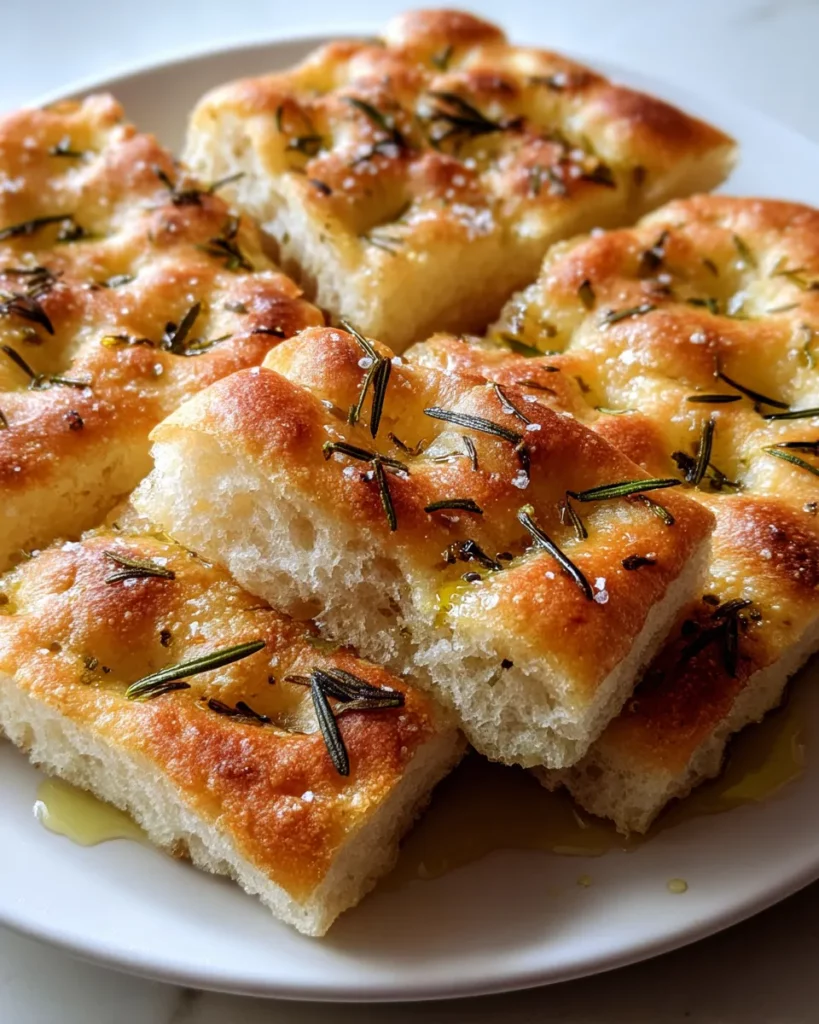
There’s something incredibly satisfying about pulling a warm, golden sheet of focaccia from the oven and realizing it’s completely gluten-free. This version, studded with fragrant rosemary and kissed by olive oil, delivers the same pillowy texture and rustic charm of classic focaccia without the gluten. As you spread the sticky dough onto your baking sheet, you’ll feel like an artist shaping a masterpiece—those little finger dimples become topographical wonders, catching olive oil and sea salt that ultimately crisp up into delightful pockets of flavor.
Baking gluten-free bread can sometimes feel like navigating uncharted territory, but this recipe is designed for beginner bakers who want maximum taste with minimal fuss. You won’t be wrestling with elastic dough or complex folding techniques—instead, you mix, rest, and bake. The result is a soft, airy crumb that’s perfect for dipping into extra-virgin olive oil or serving alongside soups and salads. Whether you’re new to gluten-free baking or searching for a new favorite bread recipe, this focaccia will make you feel like a seasoned pro in the kitchen. So grab your mixing bowl and let’s get those Italy-inspired aromas drifting through your home!
Every ingredient in this gluten-free focaccia plays a starring role, from the base flour that gives structure to the olive oil that creates that signature golden crust. Here’s a closer look at the essentials and why they matter:
A versatile blend often containing rice, potato, or tapioca flours. This mix provides the backbone for your focaccia, delivering a tender crumb and making sure every slice holds together.
The magic leavening agent that transforms batter into airy bliss. Instant yeast works quickly at room temperature, giving your focaccia that delightful rise without long waits.
A small touch of sweetness that feeds the yeast, encouraging a stronger rise and adding a hint of caramelized flavor to the crust as it bakes.
Essential for balancing flavors. Salt enhances the natural taste of the flour and olive oil, while also strengthening the dough’s structure for an even crumb.
Activates the yeast and hydrates the flour blend. The right temperature jumpstarts fermentation without risking “shocking” the yeast, ensuring consistent rising.
Infuses richness and promotes a crisp, golden top. A portion goes into the dough for moisture and tenderness, while more is drizzled on top for signature focaccia shine.
Aromatic herb that brings piney, citrusy notes. Sprinkled on top, it toasts in the oven and perfumes every bite with Mediterranean flair.
The finishing touch that creates crunchy bursts of salty goodness. Scattered over the surface, these crystals contrast beautifully with the soft interior.
Now that we’ve met our key players, let’s talk about how to transform them into a warm, inviting loaf that’s perfect for sharing. The process is wonderfully straightforward: mix, rise, shape, and bake. You’ll end up with a golden-brown crust flecked with rosemary, and a soft, tender interior that begs to be torn apart.
1. In a large mixing bowl, combine the gluten-free all-purpose flour, instant yeast, sugar, and salt. Use a whisk or spatula to mix well, ensuring every bit of flour is coated with yeast and salt for an even rise.
2. Slowly pour the warm water into the dry ingredients while stirring continuously with a wooden spoon or spatula. The goal is a wet batter that’s thick but not dry; adjust your pouring speed to prevent lumps.
3. Add the olive oil and continue to stir until the mixture becomes smooth and glossy. You’ll notice the batter is stickier than traditional dough—that’s exactly what gives focaccia its characteristic moisture.
4. Cover the bowl with a clean kitchen towel or plastic wrap and place it in a warm spot. Let the batter rest and rise for about 30 minutes, until it noticeably puffs up and looks aerated.
5. During the last 10 minutes of rising, preheat your oven to 425°F (220°C). This ensures a scorching-hot environment for that perfect crust.
6. Line a baking sheet with parchment paper or brush it generously with olive oil. Transfer the dough onto the sheet and use oiled or damp fingers to gently spread it to a uniform 1-inch thickness.
7. Once evenly shaped, press your oiled fingertips into the surface to create the classic focaccia dimples—these pockets will cradle olive oil and herbs.
8. Drizzle more olive oil over the top, then sprinkle with coarse sea salt and chopped rosemary. Don’t be shy—those toppings are what give focaccia its bold flavor.
9. Bake in the center of the oven for 20–25 minutes, until the crust is golden brown and the edges look crisp.
10. Remove from the oven and let it cool slightly before slicing. Serve warm or at room temperature to relish every aromatic note.
This rosemary-infused gluten-free focaccia is wonderfully versatile. Whether you’re feeding a crowd, pairing it with a homemade soup, or turning it into an easy sandwich, there’s a perfect way to serve every slice. Let these ideas spark your creativity and make your meal moments even more memorable.
After savoring the first warm slices, you’ll want to keep any leftovers as fresh as possible. Proper storage helps maintain that soft interior and crispy top, so you can enjoy a taste of homemade goodness for days to come. Here’s how to handle your focaccia with care:
Cooking Gluten-Free Focaccia Bread at home can feel like an achievement, blending the simplicity of an easy recipe with the satisfaction of homemade flavor. From the moment you stir the flour and yeast until you tear apart that first warm slice, every step brings you closer to a delicious loaf you can be proud of. This article has guided you through each ingredient’s purpose, detailed the step-by-step process, and even offered serving and storage tips so your focaccia stays just as delightful for days to come. Feel free to print this article or save it for later use—having it on hand means you can recreate this recipe whenever that irresistible craving for homemade, gluten-free bread strikes.
Below you’ll find a FAQ section to answer any lingering questions, but don’t hesitate to leave your own in the comments. I’d love to hear how your focaccia turned out, what flavor variations you tried, or any troubleshooting tips you discovered along the way. Your feedback helps build our community of home bakers who thrive on sharing stories, tips, and mouthwatering results. If you have any questions, thoughts, or simply want to gush about that crispy, herb-studded crust, drop a note below—I’m here to help and excited to chat about all things gluten-free and delicious!
This Gluten-Free Focaccia Bread boasts a soft, airy texture with the fragrant touch of rosemary, perfect for dipping in olive oil or serving with meals.

Hi, I'm Matthew Roberts, founder of Food Recipes USA! As a culinary historian and fourth-generation restaurateur, I've dedicated my life to preserving, celebrating, and evolving the rich tapestry of American cuisine.