
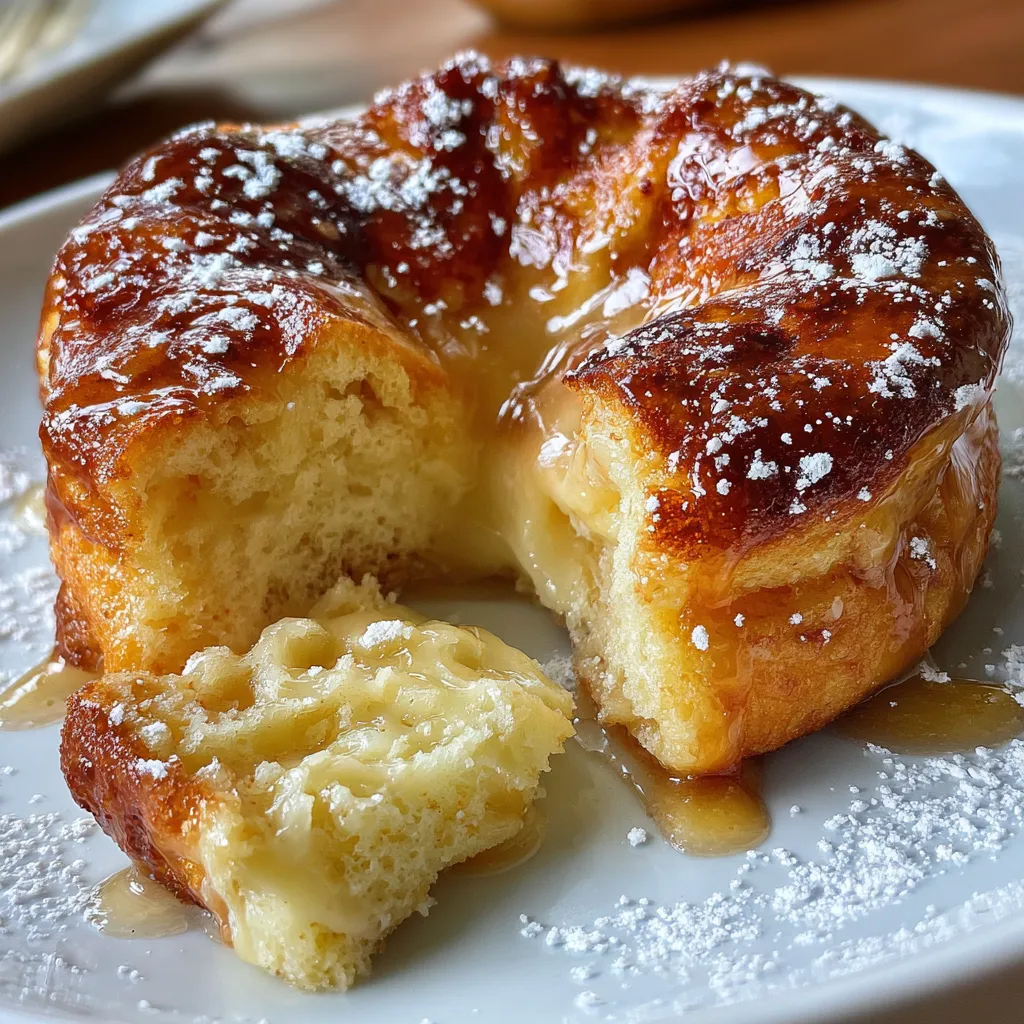
Decadent Buttery Velvety Melt-in-Your-Mouth Cake is the ultimate indulgence for anyone who craves a soft, cloud-like dessert. This intermediate-level masterpiece blends rich vanilla and butter with the lightest crumb thanks to whipped egg whites and a swirl of heavy cream. Each slice offers an ethereal balance of moisture and melt-in-your-mouth tenderness, making every forkful an invitation to savor life’s simple pleasures. Ready to turn your kitchen into a bakery? Let’s dive in!
Before you begin, gather these simple pantry staples to create a luxuriously soft cake:
Let’s walk through the key steps to build that dreamy texture, from prepping your pan to folding in fluffy egg whites. Accuracy and gentle handling are your best friends here, so get ready to combine techniques for a cake that rises tall and stays pillowy soft.
1. Preheat the oven to 350°F and grease and flour an 8-inch round cake pan, using a light coat of butter or nonstick spray plus a dusting of flour for easy release.
2. In a medium bowl, sift together the cake flour, baking powder, and salt to aerate and remove lumps.
3. In a large bowl, cream the softened butter and 1 cup granulated sugar with a mixer on medium speed until mixture is light, pale, and fluffy, about 3–4 minutes.
4. Add the egg yolks one at a time, beating well after each addition, then stir in the vanilla extract, milk, and heavy cream until fully incorporated.
5. Gradually add the dry ingredients to the butter mixture in batches, mixing on low speed just until no streaks of flour remain.
6. In a separate clean bowl, beat the egg whites with the cream of tartar until soft peaks form. Gradually add the remaining 1/2 cup granulated sugar and continue beating until you reach stiff, glossy peaks.
7. Gently fold one third of the whipped egg whites into the batter to lighten it, then carefully fold in the remaining whites until the mixture is uniform and no streaks remain.
8. Pour the batter into the prepared pan, smooth the top with a spatula, and bake for 30 to 35 minutes, or until a toothpick inserted into the center comes out clean.
9. Remove the cake from the oven and let it cool in the pan for 10 minutes. Run a knife around the edges and invert onto a wire rack to cool completely.
Once cooled, this cake begs to be showcased in delightful ways. Whether you keep it simple or add a little flair, these ideas will elevate your presentation and delight every guest.
Mastering this cake is all about precision and patience. With a few insider tricks, you’ll nail the texture every time.
Proper storage ensures your buttery cake stays as tender as the day you baked it. Here’s how to keep it fresh and moist:
Want quick answers? Here are the most common questions home bakers ask:
A: The total time is about 55 to 65 minutes. Preparation (measuring, sifting, creaming, whipping egg whites, folding) takes roughly 20–25 minutes, and the cake bakes for 30–35 minutes. Allow an additional 10 minutes to cool in the pan and around 15–20 minutes to cool completely on the wire rack before serving or wrapping.
A: Yes, but results may be slightly less tender. For each cup of all-purpose flour, remove 2 tablespoons of flour and replace with 2 tablespoons of cornstarch, then sift together to mimic cake flour’s lower protein content. Sifting is essential to aerate the mixture and ensure a soft crumb.
A: Whipping the egg whites with cream of tartar and sugar creates a stable foam that lightens the dense butter-based batter. Folding the stiff peaks into the mixture adds air, producing a velvety, melt-in-your-mouth texture. Skipping this step results in a heavier, less tender cake.
A: Use a perfectly clean, grease-free bowl and beaters, and make sure no yolk contaminates the whites. Eggs at room temperature whip to greater volume; allow them to sit out for 20 minutes before separating. Add the sugar gradually once soft peaks form, and continue beating until the peaks hold their shape and do not collapse.
A: Overmixing the batter after adding flour can deflate the air incorporated by the whipped whites, making the cake dense. Underbaking can cause collapse; always test with a toothpick in the center—it should come out clean. Opening the oven door too often or letting the cake cool too quickly can also cause sinking.
A: Once cooled completely, wrap the cake tightly in plastic wrap to lock in moisture. For maximum juiciness and flavor development, refrigerate overnight. Store at room temperature in an airtight container for up to three days. If refrigerated, allow it to come to room temperature before serving for the best texture.
A: Yes, freeze cooled, tightly wrapped slices or the whole cake in two layers of plastic wrap followed by a layer of aluminum foil. Freeze for up to one month. Thaw in the refrigerator overnight or at room temperature for 2–3 hours before unwrapping to prevent condensation from making the surface soggy.
This cake’s magic lies in the perfect dance between rich butter, airy whipped egg whites, and creamy vanilla—every forkful feels like a sweet daydream. The secret to its melt-in-your-mouth crumb is gentle folding and patient chilling, so don’t skip those steps! Grab your mixing bowl, whip up a batch, and don’t forget to print and save this article for your next baking adventure. If you try it, drop a comment below or share your questions—I’d love to hear how your cake turns out!
Fluffy layers of buttery cake rise to golden perfection, enriched with cream and vanilla. Whipped to velvety peaks, each bite is tender and moist, offering a sweet balance of rich flavor and ethereal lightness.

Hi, I'm Matthew Roberts, founder of Food Recipes USA! As a culinary historian and fourth-generation restaurateur, I've dedicated my life to preserving, celebrating, and evolving the rich tapestry of American cuisine.