
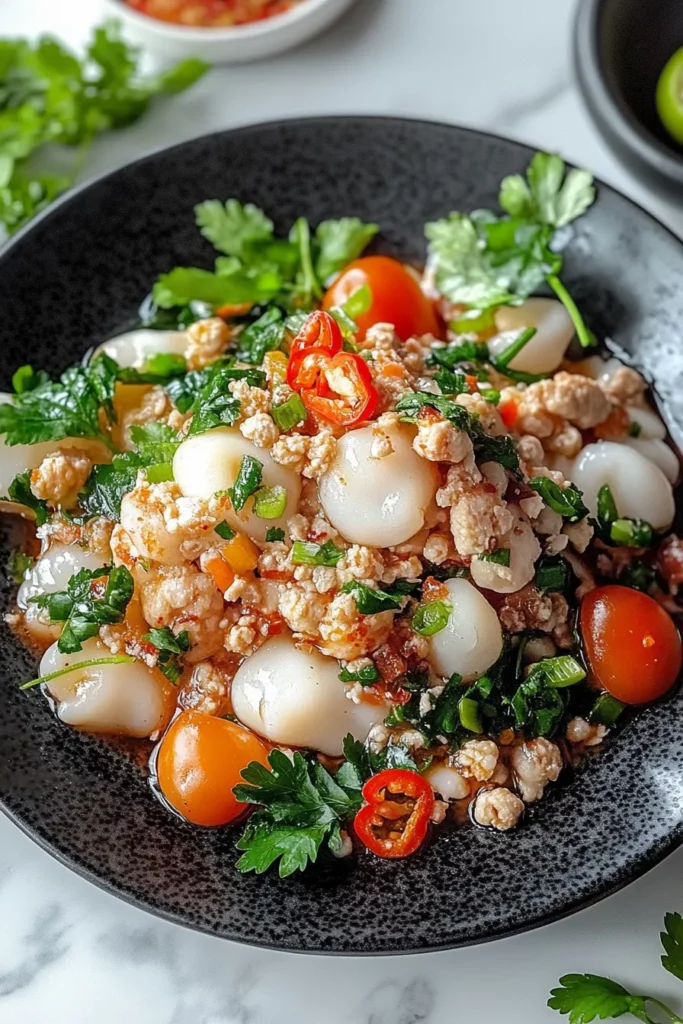
When I first discovered Kanom Jeeb at a bustling street market in Bangkok, my eyes lit up at how something so simple could feel like a warm hug for the palate. Each delicate dumpling was filled with a beautiful blend of succulent minced pork and sweet shrimp, all wrapped in a pillowy-soft wrapper that teased my taste buds before the first bite. The subtle notes of garlic and coriander root tied everything together, and I couldn’t help but stand at that stall, savoring dumpling after dumpling. Every time I recreate these steamed parcels in my own kitchen, I’m transported back to that vibrant scene—colorful stalls, sizzle of steam, and friendly chatter all around.
This recipe for Authentic Kanom Jeeb isn’t just an appetizer; it’s a celebration of Thai flavors in miniature form. With a preparation time of around 30 minutes and a cooking time of 20 minutes, you can have these irresistible dumplings on your table in under an hour. At about 350 calories per serving, they’re perfect for a light meal or as part of a festive spread. Whether you’re planning an intimate dinner or hosting friends for a casual gathering, these dumplings bring a touch of Thailand’s culinary magic right to your home. Grab your steamer, summon your inner dumpling artist, and let’s dive into a journey bursting with umami, the zing of fish sauce, and the lush fragrance of fresh cilantro.
Before we dive into the steamer, let’s take a closer look at the star players in this recipe. Each ingredient contributes a unique note to the melody of flavors, creating a harmonious bite you’ll want to savor again and again.
Provides a juicy, savory base that holds the filling together. You can swap in minced chicken for a lighter variation without losing any of the tastiness.
Offers a touch of sweet brininess and a tender texture that balances the richness of the meat for a delightful two-in-one filling.
Add a clean, mild crunch that contrasts the softness of the meat and shrimp. They bring a refreshing, earthy bite to each dumpling.
Lends a warm, pungent backbone to the filling, infusing every morsel with its classic aromatic depth.
Imparts an unmistakable fresh, citrusy-earthy note that’s signature to many Thai dishes, anchoring the filling’s flavor profile.
Intensifies umami and saltiness, rounding out the taste with its complex fermented tang.
Builds savory richness and a hint of sweetness, deepening the color and palate of the filling.
Balances the salty and savory elements, harmonizing the overall flavor so nothing overpowers another.
Brings a gentle, floral heat that’s milder than black pepper but adds a subtle warmth.
Contributes a nutty aroma and smooth finish, used both in the filling and for brushing to prevent sticking.
Give bursts of green freshness and mild sharpness, elevating the filling’s brightness.
Offer a lively herbal note that makes every bite taste fresh and vibrant.
The soft, pliable exterior that steams up translucent and tender, perfectly encasing the flavorful filling.
Optional binder that firms up the filling slightly, making it easier to pleat and shape without leaks.
Enhances all the flavors, ensuring each ingredient shines in harmony.
Cuts through richness with a tangy brightness in the zesty dipping sauce.
Adds a customizable kick of heat that awakens the palate.
Ties the sauce to the dumplings with a hint of green freshness.
Ready to transform these ingredients into extraordinary dumplings? Follow these detailed steps, and you’ll have a steamer full of perfectly cooked Kanom Jeeb in no time.
1. In a large bowl, combine the minced pork (or chicken), finely chopped shrimp, bamboo shoots, minced garlic, coriander root, fish sauce, soy sauce, sugar, white pepper, sesame oil, spring onions, and cilantro leaves. Use a sturdy spoon or clean hands to mix everything together thoroughly, ensuring the seasonings are evenly distributed.
2. If you prefer a firmer filling that holds its shape during pleating, add the cornstarch at this stage. Mix again until the starch is fully incorporated, giving your mixture a slightly sticky texture that’s easier to work with.
3. Lay out the dumpling wrappers on a clean surface. Grab a teaspoon (or a small cookie scoop), and place about one tablespoon of filling in the center of each wrapper, leaving space around the edges for sealing.
4. Lightly wet the edges of the wrapper with clean water using your fingertip. Fold the wrapper over the filling to form a half-moon shape, pressing out excess air. For a more decorative look, pleat the edges by pinching small folds along one side until the dumpling forms a neat pouch.
5. Prepare your steaming setup by filling a steamer pot with water and bringing it to a rolling boil. Lightly brush the steamer basket with sesame oil to prevent the dumplings from sticking during cooking.
6. Arrange the filled dumplings in the steamer basket, making sure they have room to expand and aren’t touching. Cover and steam for 15–20 minutes, or until the wrappers turn translucent and the filling is completely cooked through.
7. While the dumplings are cooking, whisk together the dipping sauce in a small bowl: soy sauce, rice vinegar, sugar, and optional chili slices. Stir until the sugar has fully dissolved and the flavors are well balanced.
8. Once the steaming time is up, carefully transfer the hot Kanom Jeeb to a platter. Serve immediately with the zesty dipping sauce on the side and a sprinkle of fresh cilantro on top.
After all that care in crafting the perfect dumplings, let’s talk about presenting them in style. A well-thought-out serving method elevates both the taste and the dining experience, turning a simple snack into a memorable feast. Whether you’re plating for two as an intimate appetizer or arranging a festive spread for a crowd, these four ideas will ensure your Kanom Jeeb shines center stage.
Arrange the steamed dumplings on a long wooden board or ceramic platter, alternating with small bowls of dipping sauce. Garnish with extra cilantro leaves and thin red chili rings for a pop of color.
Place a few piping-hot dumplings in individual serving bowls, ladle over a clear, fragrant light chicken or vegetable broth, and top with sliced spring onions. This creates a comforting, slurp-worthy meal perfect for cooler evenings.
Set out several small bowls of dipping sauces—sweet chili, soy-vinegar mix, and peanut sauce—alongside the dumplings. Invite guests to mix and match, adding chopped peanuts, fresh herbs, or lime wedges to customize each bite.
Stick a decorative bamboo skewer through each dumpling and stand them upright in a stylish serving vase or on a tray of damp sand. This makes it easy for guests to grab a dumpling and dip it into sauce without any fuss.
Whether you’re meal-prepping for the week or simply want to save leftover dumplings, proper storage is key to preserving both texture and taste. Heat, moisture, and air can quickly turn delicate dumplings soggy, so follow these methods to keep your Kanom Jeeb fresh until you’re ready to enjoy them again.
Once completely cooled, layer dumplings between sheets of parchment or wax paper inside an airtight container. Store in the fridge for up to 2 days, then re-steam or pan-fry to revive their softness.
Place unsteamed, filled dumplings on a baking sheet lined with parchment. Freeze until solid, then transfer to a freezer-safe bag. These can be steamed straight from frozen; just add a few extra minutes to the cooking time.
For convenience, arrange frozen dumplings in your steamer basket with space between each one. Steam over boiling water for 20–25 minutes. They’ll emerge tender and succulent, much like fresh-made.
Keep the dipping sauce in a small jar in the fridge. It will last up to a week—just give it a quick stir before serving to redistribute any settled ingredients.
Bringing homemade Kanom Jeeb into your kitchen is a delightful way to experience authentic Thai flavors without boarding a plane. From the vibrant kick of coriander root and garlic to the soothing embrace of a perfectly steamed wrapper, every element harmonizes into dumpling bliss. With just 30 minutes of prep, 20 minutes of steaming, and no resting time required, these dumplings slot seamlessly into busy weeknights or relaxed weekend gatherings. They work as an enticing appetizer, a light dinner, or an interactive party snack—an honest celebration of Thai street food culture at home. The recipe’s intermediate difficulty level encourages you to hone skills like pleating wrappers and balancing seasonings, making it both approachable for seasoned home cooks and fun for adventurous beginners.
Feel free to print this article and save it for later reference, whether you’re planning a themed dinner party or simply craving a taste of Thailand on a Tuesday night. Below, you’ll also find a handy FAQ to address any lingering questions about variations, troubleshooting, or ingredient swaps. If you give Kanom Jeeb a try or have any questions about the process, ingredients, or serving ideas, please leave a comment. Your feedback, personal stories, and tips are always welcome—I love hearing how these dumplings bring a bit of joy to your kitchen adventures!
Taste the authentic delight of Kanom Jeeb, delicate dumplings filled with flavorful minced pork and shrimp, paired with a zesty dipping sauce for perfection.

Hi, I'm Matthew Roberts, founder of Food Recipes USA! As a culinary historian and fourth-generation restaurateur, I've dedicated my life to preserving, celebrating, and evolving the rich tapestry of American cuisine.